Most homeowners spend plenty of time thinking about kitchens, flooring, paint colors, and energy-efficient appliances. Water, on the other hand, rarely gets much attention until something starts to feel wrong. Maybe the shower leaves your skin dry, your dishes come out with cloudy spots, or your morning coffee tastes a little different than it should. Those small annoyances often seem unrelated, but they usually share one common source—the water flowing through your home.
The interesting thing about water is that it touches nearly everything. We drink it, cook with it, clean our homes, wash our clothes, bathe our children, and rely on it to keep countless appliances running. Because it’s such a constant part of everyday life, even modest improvements in water quality can have a surprisingly noticeable effect.
Improving your home’s water isn’t simply about convenience. It’s about creating a healthier, more comfortable living environment that quietly benefits every member of the household.
Related storyChoosing a Whole-Building Water Filtration System That Fits Your Home
Every Home Has Unique Water Conditions
It’s easy to assume everyone receives the same quality water, especially if you live in a city served by municipal utilities. In reality, water characteristics vary significantly depending on location, local infrastructure, seasonal changes, underground minerals, and the condition of household plumbing.
Homes supplied by private wells often experience entirely different challenges than homes connected to city water. Even neighboring houses can notice differences because plumbing materials and usage patterns vary.
Some families deal primarily with chlorine taste. Others notice sediment after heavy rain. Hard water, sulfur odors, iron staining, and elevated mineral content all require different approaches.
Related storyWhy Your Water Doesn’t Feel Right: Understanding Common Well Water Problems and Practical Solutions
That’s why understanding your home’s water through professional testing is usually the smartest place to begin.
Looking Beyond the Kitchen Sink
Many people think water treatment is only about producing better drinking water.
While that’s certainly important, water flows through far more than the kitchen faucet. It fills washing machines, powers dishwashers, heats inside water heaters, runs through showers, flushes toilets, and supplies outdoor faucets.
Related storyWhy Better Water at Home Starts With Understanding What Flows From Your Tap
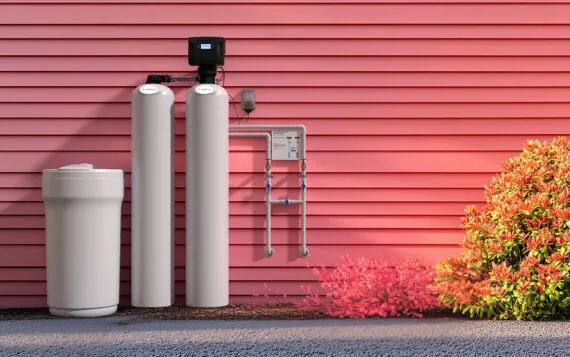
A properly designed whole home water filtration system improves water before it reaches every fixture throughout the property. Instead of solving one small problem at a single faucet, it creates a more consistent water experience everywhere.
That comprehensive approach often becomes one of the biggest reasons homeowners appreciate the investment.
Better Water Improves Everyday Comfort
The benefits of cleaner water usually appear in small, familiar moments.
Morning coffee tastes smoother. Tea develops a cleaner flavor. Ice cubes no longer carry subtle odors. Fresh vegetables rinse more easily before dinner.
Related storyWhy Every Growing Business Should Pay More Attention to Its Water Supply
Outside the kitchen, showers often feel more refreshing because unwanted impurities have been reduced. Soap rinses away more effectively, and laundry can feel softer depending on local water conditions.
These improvements aren’t dramatic enough to surprise guests overnight, but they’re noticeable enough that homeowners often wonder why they waited so long to upgrade.
Comfort, after all, is often built from dozens of small details working together.
Why Hard Water Deserves Attention
Hard water is one of the most common household concerns across many regions.
Related storyHow Proper Water Treatment Installation Can Improve Your Home’s Water Quality
When water contains elevated levels of calcium and magnesium, mineral deposits gradually build inside pipes, faucets, water heaters, and appliances. White spots appear on dishes, soap becomes less effective, and plumbing fixtures require more frequent cleaning.
That’s where water softeners become valuable.
Rather than filtering contaminants, softeners reduce hardness minerals that contribute to scale buildup. The result is often cleaner fixtures, longer-lasting appliances, improved soap performance, and a more pleasant bathing experience.
Many homeowners pair softeners with filtration systems to create a more complete water treatment strategy.
Choosing the Right Solution Matters
One mistake homeowners sometimes make is assuming there’s one perfect system for every house.
In reality, water treatment should always match the actual conditions identified during testing.
Some households benefit primarily from activated carbon filtration to improve taste and odor. Others require sediment filtration, ultraviolet purification, reverse osmosis, iron removal, or combinations of multiple technologies.
The most effective water treatment solutions are customized rather than generic.
Investing in equipment designed specifically for your home’s water profile often delivers better long-term performance while avoiding unnecessary expense.
It’s a practical approach that focuses on solving real problems instead of imagined ones.
Your Appliances Benefit Too
Water isn’t just something your family uses—it’s something your appliances depend on every single day.
Dishwashers, refrigerators, washing machines, coffee makers, water heaters, and plumbing fixtures all interact continuously with your household water supply.
Reducing sediment, hardness, and certain contaminants can help minimize buildup that contributes to wear over time. While routine maintenance remains important, cleaner water creates a friendlier operating environment for many expensive household systems.
Protecting these investments often becomes an overlooked but valuable advantage of improving water quality.
Maintenance Is Simpler Than Many Expect
Some homeowners hesitate because they imagine filtration systems require constant attention.
Fortunately, modern water treatment equipment is designed for convenience.
Most maintenance involves replacing filter cartridges according to manufacturer recommendations and occasionally scheduling professional service for larger systems. Many newer units even include reminders that indicate when maintenance is due.
Once installed, the system quietly performs its job in the background with very little daily involvement from the homeowner.
Like changing an HVAC filter, it eventually becomes just another simple part of regular home maintenance.
Thinking Long-Term Instead of Short-Term
Buying bottled water or relying on small countertop filters may seem convenient, but those options only address part of the problem.
Whole-home treatment takes a broader view by improving water throughout the house rather than focusing solely on drinking water.
That means cleaner water for cooking, bathing, washing clothes, protecting plumbing, and supporting appliances—not just filling a glass at the kitchen sink.
Over time, those benefits often outweigh the initial investment because they influence so many aspects of everyday living.
Final Thoughts
Water quietly shapes nearly every routine inside your home. From preparing breakfast to washing dishes after dinner, it plays a role in countless daily activities that most of us barely notice.
Investing in better water isn’t about chasing perfection. It’s about creating a home that’s more comfortable, more efficient, and better prepared for the years ahead.
By understanding your local water conditions, selecting treatment systems that match your household’s needs, and maintaining them properly over time, you’ll enjoy improvements that extend well beyond the faucet. Sometimes the most valuable home upgrades aren’t the ones everyone sees—they’re the ones you experience every single day without even thinking about them.