When people think about running a successful business, water usually isn’t the first thing that comes to mind. Most owners are focused on sales targets, customer satisfaction, staffing, inventory, or keeping daily operations running smoothly. Water simply flows in the background, quietly supporting everything from kitchens and restrooms to production equipment and coffee machines.
The interesting thing is that water only gets attention when something starts going wrong. Maybe customers complain that beverages taste different. Perhaps expensive equipment begins breaking down more often, or mineral deposits start showing up where they never appeared before. These little issues often seem unrelated, but many of them have one thing in common: the quality of the water being used every single day.
As operating costs continue to rise, more businesses are discovering that improving their water supply isn’t just another expense. It’s a practical investment that supports efficiency, reliability, and long-term growth.
Related storyWhy Your Water Doesn’t Feel Right: Understanding Common Well Water Problems and Practical Solutions
Water Plays a Bigger Role Than Most Businesses Realize
Whether you operate a small café, a busy hotel, a healthcare facility, or a manufacturing plant, water influences far more than drinking alone.
Restaurants depend on it for cooking, food preparation, and dishwashing. Hotels use enormous amounts for guest rooms, laundry, kitchens, and recreational facilities. Manufacturing companies often require consistent water quality to maintain product standards, while offices rely on clean water for break rooms and employee comfort.
Because water is involved in so many daily processes, even small quality issues can quietly affect operations without immediately attracting attention.
Related storyWhy Investing in Better Water Can Change the Way Your Home Feels Every Day
Over time, those hidden problems often become measurable expenses.
Small Water Issues Can Become Expensive Problems
One of the challenges with water-related damage is how slowly it develops.
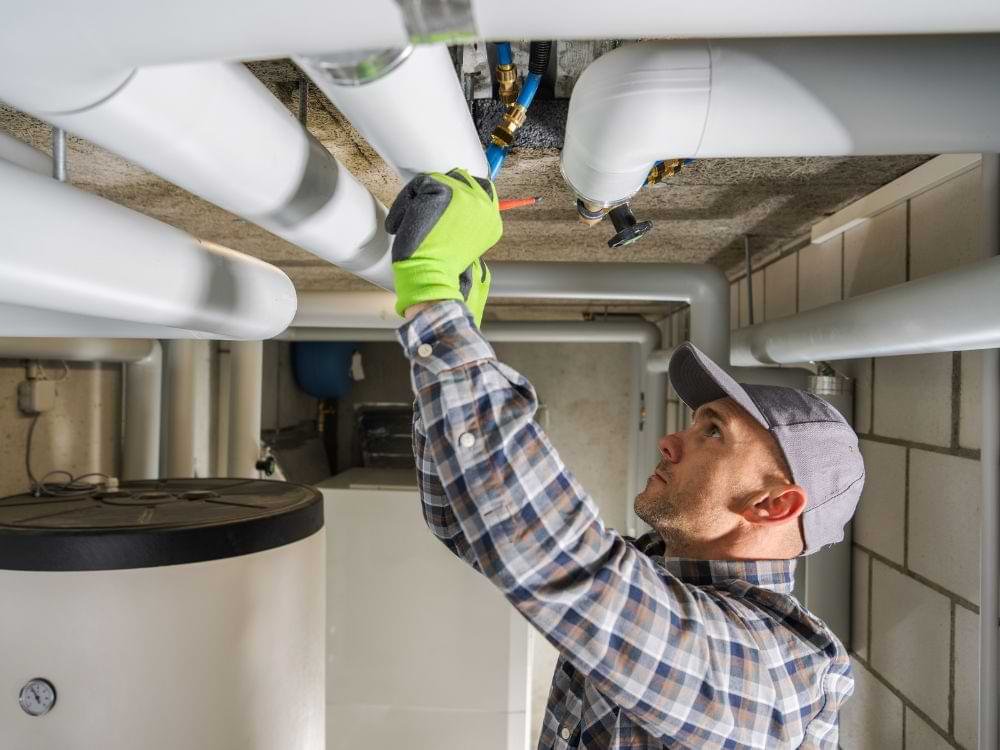
Mineral deposits accumulate inside boilers, dishwashers, coffee machines, water heaters, and plumbing fixtures. Sediment can reduce equipment efficiency, while hard water increases cleaning requirements throughout the facility.
None of these changes happen overnight. Instead, they build gradually until maintenance costs become noticeably higher than expected.
Related storyWhy Better Water Management Keeps Businesses Running Smoothly
Many business owners are surprised to discover that preventive improvements often cost far less than repeatedly repairing or replacing expensive commercial equipment.
Why Water Treatment Is Becoming a Business Priority
Modern business water treatment solutions are no longer limited to large factories or industrial facilities.
Today, businesses of every size recognize that cleaner water contributes to smoother operations, more reliable equipment, and better customer experiences. Whether it’s protecting espresso machines in a coffee shop or reducing mineral buildup inside commercial boilers, appropriate treatment systems often improve both efficiency and consistency.
Rather than viewing water treatment as a luxury, many organizations now see it as part of responsible facility management.
Related storyChoosing a Whole-Building Water Filtration System That Fits Your Home
It’s one of those investments that quietly supports everything else happening inside the business.
Understanding Your Water Before Making Decisions
One common mistake businesses make is purchasing equipment before understanding their actual water conditions.
Every location is different. Water supplied to one city may contain completely different mineral levels than water available only a few miles away. Private wells introduce additional variables that municipal systems may not have.
Related storyWhy High-Quality Drinking Water Is One of the Smartest Upgrades for Your Home
That’s why many suppliers begin with a free water analysis before recommending equipment.
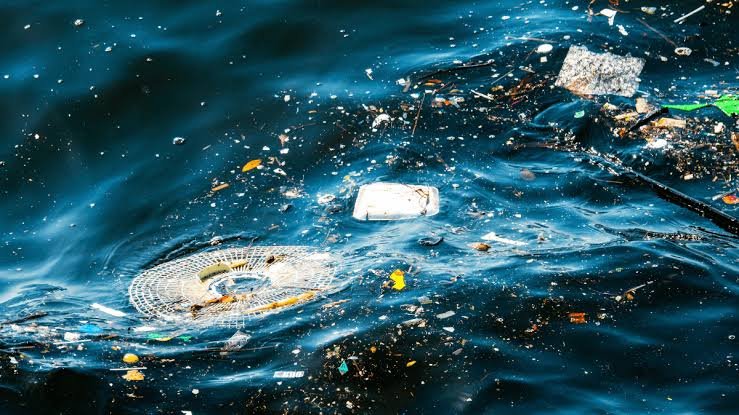
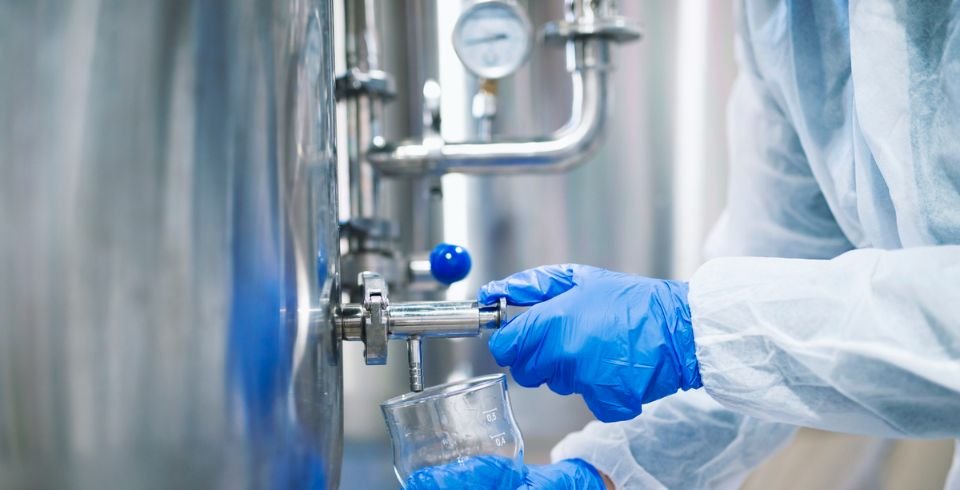
Testing provides valuable information about hardness, sediment, chlorine, dissolved minerals, and other characteristics that influence system selection. Instead of relying on assumptions, businesses receive recommendations based on real data.
That usually leads to better performance and more cost-effective investments.
Better Water Benefits Customers Too
Customers rarely ask about a company’s water supply, yet they often notice the results.
Fresh coffee tastes better. Ice cubes appear clearer. Glassware sparkles without mineral spots. Food preparation becomes more consistent, and beverages retain their intended flavor.
Hotels benefit from cleaner fixtures and softer linens, while healthcare facilities appreciate improved cleanliness and dependable sanitation support.
These details may seem small individually, but together they shape the overall customer experience.
Quality often reveals itself through consistency rather than dramatic changes.
Choosing the Right System Matters
Not every business requires the same approach.
A restaurant has very different water needs than a manufacturing facility. A dental office prioritizes different treatment methods than a brewery or apartment complex.
Selecting the appropriate water treatment system begins with understanding how water is used throughout the property.
Some businesses mainly require sediment removal. Others benefit from softening, carbon filtration, reverse osmosis, or specialized treatment technologies designed for industry-specific applications.
The best solution isn’t necessarily the largest or most expensive one. It’s the system that addresses actual operational needs while remaining practical to maintain over the long term.
Protecting Valuable Equipment
Commercial equipment represents a major financial investment for most organizations.
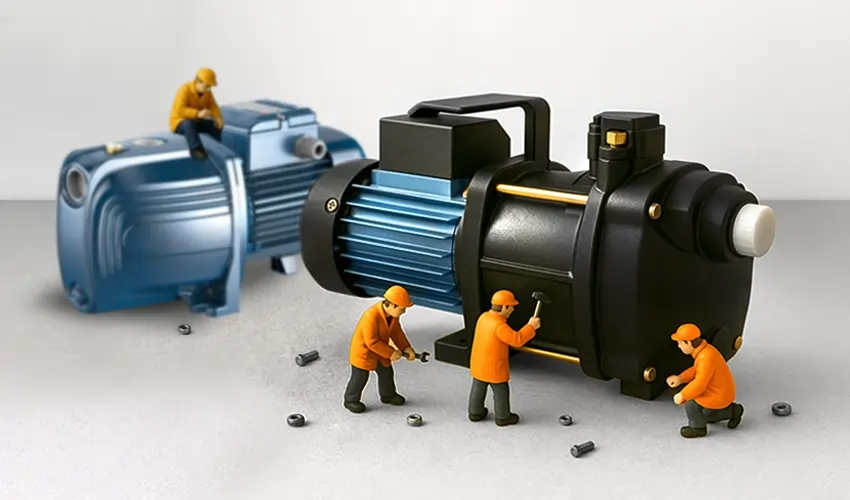
Water heaters, steam ovens, coffee machines, dishwashers, cooling equipment, boilers, and manufacturing systems often operate continuously throughout the day. Poor water quality can shorten their lifespan, increase energy consumption, and create unexpected downtime.
Improving water quality helps reduce scale buildup, minimize internal wear, and maintain more consistent equipment performance.
In many cases, the savings generated through lower maintenance and fewer repairs help offset the initial investment over time.
Reliable equipment also means fewer interruptions for employees and customers alike.
Looking Beyond Immediate Costs
When evaluating any business investment, it’s easy to focus on upfront expenses.
However, water improvements often create value in multiple areas simultaneously.
Reduced maintenance, lower utility consumption, improved cleaning efficiency, longer equipment lifespan, fewer emergency repairs, and enhanced customer satisfaction all contribute to long-term operational success.
Viewed from that perspective, quality water management becomes less about purchasing equipment and more about protecting the business itself.
Sometimes the most valuable improvements are the ones working quietly behind the scenes every single day.
Better Water Supports Better Business
Successful businesses thrive because they pay attention to details others overlook. Water happens to be one of those details.
It influences equipment performance, customer experiences, employee comfort, cleaning efficiency, and operating costs in ways that aren’t always obvious until improvements are made.
By understanding local water conditions, investing in solutions based on accurate testing, and choosing systems designed for specific operational needs, businesses position themselves for greater reliability and long-term success.
At the end of the day, better water isn’t simply about filtration or treatment. It’s about creating a stronger foundation for everything your business does. When something as essential as water works exactly as it should, every other part of the operation has a better chance to do the same.