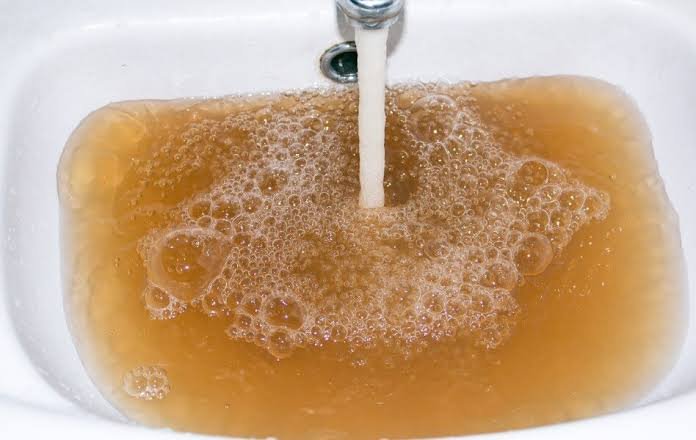
There’s something comforting about turning on the kitchen faucet and expecting clean, refreshing water. It’s one of those everyday conveniences we barely notice until something feels…off. Maybe your morning coffee suddenly tastes different. Maybe the bathroom sink develops orange stains no matter how often you clean it. Or perhaps guests politely mention that your tap water has a strange smell.
These little changes rarely happen overnight, and they often tell a story about what’s happening beneath the surface. Whether your home relies on a private well or another water source, paying attention to these signs can help you avoid bigger issues later.
The good news? Most water quality concerns are manageable once you understand what you’re dealing with.
Related storyChoosing a Whole-Building Water Filtration System That Fits Your Home
Water Changes More Than Most People Realize
Many homeowners assume their water quality stays consistent year after year. In reality, groundwater is constantly changing. Heavy rainfall, seasonal droughts, nearby construction, shifting mineral deposits, and aging plumbing can all influence what eventually reaches your faucet.
That’s why two neighboring homes using separate wells may experience completely different water conditions. One family may struggle with hard water while another notices sulfur odors or excessive iron.
Instead of treating water as something static, it helps to think of it as a living resource that responds to its environment.
Related storyWhy Better Water at Home Starts With Understanding What Flows From Your Tap
When Water Develops an Unusual Taste or Smell
One of the first warning signs people notice is an unpleasant taste or odor . Sometimes the water tastes metallic. Other times it carries a chlorine flavor, earthy notes, or even the familiar rotten-egg smell caused by naturally occurring sulfur compounds.
While these issues don’t always indicate dangerous contamination, they certainly affect daily life. Drinking water becomes less enjoyable, cooking can be affected, and even making coffee or tea doesn’t feel quite the same.
Fortunately, identifying the source through professional water testing usually points directly toward an effective treatment solution. In many cases, specialized filtration or oxidation systems restore both taste and confidence in the water supply.
Why Bathroom and Kitchen Fixtures Keep Changing Color
If you’ve ever scrubbed orange rings from the toilet only to watch them return days later, you’re definitely not alone.
Related storyWhy Water Quality Matters More Than Most Homeowners Realize
Minerals like iron and manganese often cause staining fixtures throughout the home. White mineral deposits from hard water may also build up around faucets, showerheads, and glass doors, making bathrooms appear dirty even after cleaning.
These stains aren’t simply cosmetic. Over time, mineral accumulation can reduce water flow, shorten appliance lifespan, and increase maintenance costs.
The sooner homeowners identify the source of staining, the easier it becomes to protect plumbing, improve water appearance, and reduce ongoing cleaning.
Understanding Common Well Water Challenges
Private wells provide millions of households with dependable water every day, but they also require more responsibility than municipal water supplies.
Related storyHow Small Water Problems Turn Into Big Household Headaches Over Time
Unlike city water, well water isn’t continuously monitored by a local utility. That means homeowners play an important role in testing and maintaining water quality.
Many well water problems stem from naturally occurring minerals, sediment, bacteria, or groundwater chemistry rather than pollution. Iron, sulfur, hardness minerals, tannins, and sediment are among the most common issues found in residential wells.
Regular testing—typically once a year—is one of the simplest ways to catch changes before they become expensive repairs or frustrating household problems.
Small Water Issues Often Become Bigger Ones
It’s easy to ignore minor changes, especially when they develop gradually.
Related storyWhy High-Quality Drinking Water Is One of the Smartest Upgrades for Your Home
A little discoloration here. Slightly lower water pressure there. Soap doesn’t lather as well as it once did. These things don’t usually feel urgent.
But over time, untreated mineral deposits can clog plumbing, reduce appliance efficiency, and increase energy consumption. Water heaters, dishwashers, and washing machines often work much harder when sediment or scale begins accumulating inside them.
Addressing problems early usually costs far less than replacing damaged equipment later.
Choosing the Right Water Treatment Approach
One reason homeowners sometimes become frustrated is that water treatment isn’t universal.
A carbon filter that improves taste won’t necessarily remove iron. A water softener reduces hardness minerals but won’t eliminate bacteria. Sediment filters improve water clarity without addressing sulfur odors.
That’s why water testing is so valuable. It removes the guesswork and helps match the treatment system to the actual issue.
Depending on the results, a home may benefit from reverse osmosis, water softening, ultraviolet disinfection, activated carbon filtration, iron filtration, sediment filtration, or a combination of multiple technologies working together.
Customized solutions almost always outperform one-size-fits-all products.
Everyday Benefits You Might Not Expect
Cleaner water improves far more than drinking quality.
Many homeowners notice softer laundry, brighter dishes, healthier-looking plumbing fixtures, and appliances that last considerably longer. Showering often feels more comfortable when excessive minerals are reduced, and cleaning bathrooms becomes less of a constant battle against stains and scale.
Even cooking changes. Vegetables keep their natural color better, beverages taste cleaner, and homemade meals simply feel fresher.
It’s one of those home improvements whose benefits quietly show up dozens of times each day.
Prevention Is Always Easier Than Repair
Waiting until water becomes obviously unusable rarely saves money.
Routine water testing, occasional maintenance, and replacing filter media when recommended help keep treatment systems performing efficiently for years. Like changing the oil in your car, preventive maintenance usually avoids much larger expenses down the road.
A little attention today often prevents major plumbing headaches tomorrow.
Better Water Makes Everyday Life Easier
Water touches nearly every part of daily life, from making breakfast and washing clothes to taking a relaxing shower at the end of the day. When it’s clean, fresh, and dependable, you hardly notice it. But when quality begins to decline, even simple routines become frustrating.
Fortunately, most household water concerns have practical, proven solutions. By understanding what’s happening beneath the surface, testing your water regularly, and choosing treatment systems designed for your home’s specific needs, you can enjoy better-tasting water, protect your plumbing, and create a healthier environment for your family.
Sometimes improving your home isn’t about adding something new. Sometimes it’s simply about making the water you already have work the way it should.