Hard water is one of those household problems you may not notice right away. The water still looks clear, the shower still runs, and the washing machine keeps doing its job. Yet over time, minerals such as calcium and magnesium can leave their mark on faucets, showerheads, dishes, laundry, plumbing and appliances.
That’s where a water softener can make a surprisingly noticeable difference. Instead of simply treating water at the point where you drink it, a whole-home softening system works throughout the plumbing network. The goal isn’t to make water “better” in some vague way. It’s about reducing the minerals responsible for scale and the everyday frustrations that come with them.
For many households, the difference becomes obvious in small moments: soap rinses more easily, shower glass stays cleaner, and fixtures don’t develop that stubborn white crust quite as quickly.
What Exactly Is Hard Water?
Hard water contains dissolved minerals, mainly calcium and magnesium. These minerals naturally enter groundwater as it moves through rocks and soil. In some areas, the concentration can be fairly high.
Hard water isn’t necessarily dangerous to drink. The bigger concern is what it does around the house.
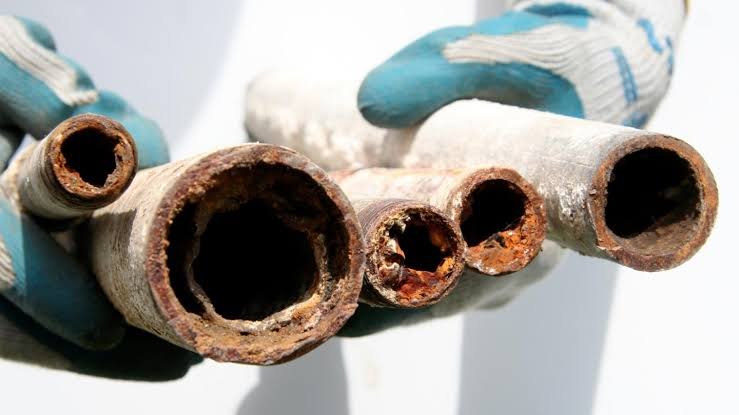
When heated or allowed to evaporate, dissolved minerals can form scale. You may see it around taps, inside kettles, on shower doors, or around the heating elements of appliances. Inside pipes, that buildup can gradually restrict water flow.
It’s a slow process, which is why homeowners sometimes ignore it. Nobody wakes up one morning and finds their plumbing completely blocked. Instead, the signs creep in.
A showerhead starts spraying unevenly. The dishwasher needs more cleaning. Clothes feel a little stiff after washing. You scrub a faucet again, and somehow that chalky residue returns.
That’s hard water doing its thing.
How Water Softeners Work
A traditional water softener uses a process called ion exchange. In simple terms, the system passes water through resin beads that attract calcium and magnesium ions. The resin exchanges those minerals for sodium or, in some systems, potassium ions.
Once the resin becomes saturated, the softener regenerates by flushing the captured minerals away and recharging the resin.
Modern systems can be quite efficient, particularly when they’re correctly sized for the household. The right setup depends on factors such as water hardness, household water consumption and the type of water supply.
This is important because bigger isn’t always better. An oversized or poorly configured softener can waste water and salt, while an undersized system may struggle to keep up with demand.
A proper water assessment is usually the sensible starting point.
Protecting Plumbing and Household Appliances
One of the strongest reasons homeowners consider softening is the long-term effect on plumbing and water-using appliances.
Scale can accumulate inside pipes and components where you can’t see it. Over time, that buildup may reduce efficiency and restrict water flow. Appliances that heat water, such as water heaters and dishwashers, can also be affected because heat encourages mineral deposits to form.
A properly selected softener can help protect pipes and appliances by reducing the hardness minerals entering the home’s water system.
That doesn’t mean a water softener makes every plumbing problem disappear. Old pipes can still fail, leaks can still happen, and appliances still need maintenance. But reducing scale formation can remove one persistent source of wear.
Think of it as prevention rather than a miracle fix. And with plumbing, prevention tends to be cheaper than emergency repairs.
The Difference You Can Feel in the Shower
This is probably where many people notice soft water first.
Hard water can make soap and shampoo harder to rinse away because calcium and magnesium interact with soap compounds. Some people describe the resulting feeling as dry, sticky, or coated, although everyone experiences it a little differently.
With softened water, soap tends to lather more readily. Shampoo can rinse away with less effort, and the water may feel smoother against the skin.
For some households, this is the reason they never want to go back.
A softener can also enhance overall water feel throughout everyday routines. That includes showers, handwashing and cleaning tasks. Again, it isn’t about changing water into something magical. It’s about removing minerals that can interfere with how water and soap behave.
Cleaner Fixtures and Less Scale
If you’ve ever cleaned a shower screen only to find cloudy spots appearing again a few days later, you already know how annoying mineral deposits can be.
Hard water can leave spots and scale on faucets, shower doors, sinks and bathroom fixtures. These deposits are particularly noticeable on dark or glossy surfaces.
Softening the water can reduce the amount of mineral residue left behind. You may still need to clean, of course — unfortunately, no water treatment system eliminates housework — but the job can become less stubborn.
There can also be benefits in the kitchen. Glassware may come out of the dishwasher with fewer mineral spots, while sinks and taps can stay looking cleaner between deep cleans.
Softer Water Can Change Laundry Habits
Laundry is another area where hard water can be frustrating.
Minerals in hard water can interfere with detergents, meaning you may need more detergent to achieve the results you want. Clothes can sometimes feel rougher, and fabrics may lose that freshly washed softness sooner.
When the water is softened, detergent can work more effectively. This may allow households to adjust detergent quantities while still getting good cleaning results.
Over dozens or hundreds of washing cycles, small differences can add up.
It’s worth remembering, though, that laundry results also depend on detergent quality, washing temperature, fabric type and the machine itself. Water hardness is only one piece of the puzzle.
Choosing the Right Water Softener
Not every home needs the same type or size of system.
Start with a water hardness test. If you’re using well water, it can also be useful to test for iron, manganese, sulfur and other characteristics that may affect treatment.
Then consider household size and typical water use. A family of five with several bathrooms will have very different requirements from someone living alone in a small apartment.
Salt-based ion-exchange systems remain a common choice for treating hardness. Salt-free conditioning systems are also available, but they generally work differently and shouldn’t automatically be considered equivalent to conventional softening.
The best option depends on your water chemistry and what you actually want the system to accomplish.
Why Installation Matters More Than It Seems
Buying the right equipment is only half the job. Installation affects how reliably the system performs.
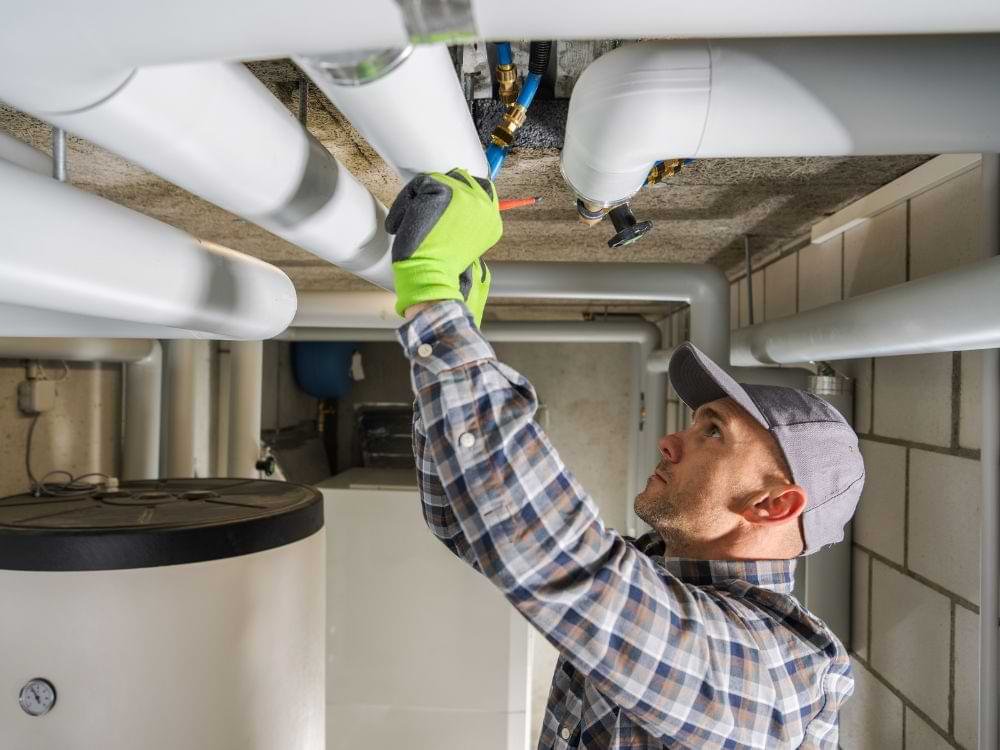
A qualified installer can evaluate the incoming water line, determine suitable placement, install the necessary connections and configure the system based on the home’s requirements. They can also help make sure regeneration and drainage are handled correctly.
That’s why professional installation can be worthwhile, especially for whole-home equipment. A system that looks straightforward on paper still has to work with your existing plumbing.
It also helps to have someone explain maintenance before they leave. Knowing when to add salt, how often to inspect the system and what warning signs to watch for can save headaches later.
A Small Upgrade With Everyday Benefits
Water softening isn’t essential for every household, and it shouldn’t be treated as a universal answer to every water-quality concern. But when hard water is causing scale, soap problems, appliance buildup or constant cleaning frustration, it can be a practical upgrade.
The real appeal is that the benefits aren’t limited to one faucet. A whole-home system can influence showers, laundry, cleaning, plumbing and appliances at the same time.
And sometimes the best home improvements are the quiet ones. No flashy renovation, no dramatic before-and-after photo — just water that behaves better every day, with fewer little annoyances waiting around the corner.