Water is one of those things you barely think about until the pressure drops, a tap starts sputtering, or the shower suddenly turns into a disappointing trickle. Behind that everyday convenience is a pump system working quietly to move water where it needs to go. Choosing the right pump, however, isn’t simply about buying the biggest or most powerful option available.
The right choice depends on your water source, household demand, well depth, plumbing layout, and even the type of property you own. A pump that’s perfect for one home may be completely unsuitable for another. Understanding the basics can save you money, reduce maintenance headaches, and make your water system far more dependable.
Start With Your Water Source
Before comparing pump types, look at where your water comes from. Municipal water supplies often arrive under pressure, so a pump may only be necessary for boosting pressure or serving a particular application. Homes that rely on private wells have different requirements.
A well pump is designed to draw or move groundwater from a well and deliver it into the home’s plumbing system. The depth of the well matters a lot. A shallow well and a deep well don’t necessarily call for the same equipment.
You should also consider the water level rather than relying only on the total depth of the well. During dry periods, the water table can fall, changing how hard the pump has to work. This is one reason professional sizing is often worth the effort.
Centrifugal Pumps: Simple and Versatile
Centrifugal pumps are among the most widely used pump designs. They use a rotating impeller to create movement and pressure, making them useful in many residential, agricultural, and commercial applications.
A centrifugal pump can work particularly well when water is available at a suitable level and the pump doesn’t need to lift it from extreme depths. They’re often appreciated for their relatively straightforward construction and ability to move substantial amounts of water.
Still, “more flow” doesn’t automatically mean “better.” A pump that’s oversized for a home can cycle too frequently, waste energy, and place unnecessary strain on components. On the other hand, an undersized pump may struggle to maintain comfortable pressure when several fixtures are operating at once.
Think about a typical morning. Someone is taking a shower, another person flushes a toilet, the washing machine starts filling, and perhaps a garden tap is running outside. Your system needs to handle that combined demand without constantly fighting to catch up.
When a Jet Pump Makes Sense
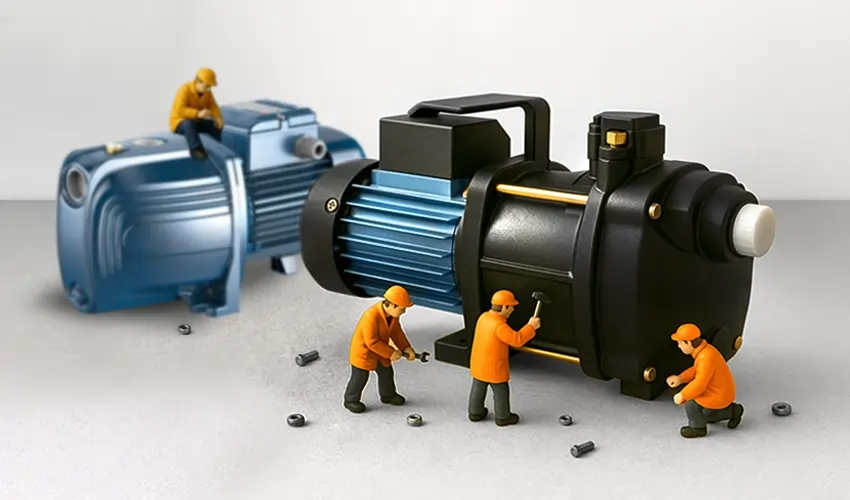
For certain shallow-well applications, a jet pump can be a practical solution. Jet pumps use suction and pressure principles to move water, and their design makes them suitable for specific well depths and residential water systems.
They can be a good fit where the water source isn’t excessively deep and the installation is configured correctly. However, there are limits to how effectively suction-based systems can lift water. Atmospheric pressure places a physical restriction on the maximum practical suction lift.
This is where pump selection gets a little more technical. Two properties may look almost identical on paper, yet differences in well depth, pipe diameter, elevation, and water level can change the recommended setup.
If you’re replacing an existing pump, don’t automatically assume the old model was correctly sized. It’s possible the previous system was installed years ago when household water demand was different.
Pay Attention to Pressure and Flow
People often use “water pressure” and “water flow” interchangeably, but they’re not the same thing.
Pressure is the force pushing water through the plumbing. Flow is the amount of water moving through the system over a given period. You need enough of both.
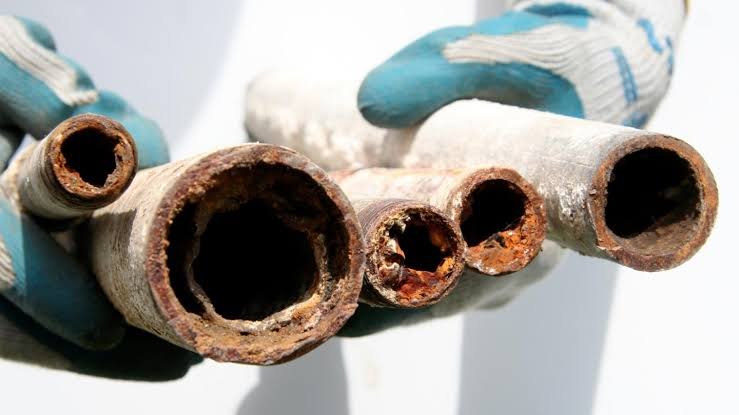
A pump may produce impressive flow under certain conditions but struggle to maintain pressure once water has to travel through long pipe runs, climb several feet vertically, or pass through restrictive fittings and filters.
For a comfortable home system, consider:
- Number of bathrooms and fixtures
- Typical simultaneous water use
- Distance between the water source and house
- Vertical elevation changes
- Pipe diameter and condition
- Storage tank capacity
- Required operating pressure
These details help determine the pump’s actual working requirements rather than just its advertised maximum.
Don’t Ignore Energy Efficiency
Pump efficiency matters because these systems can operate frequently, sometimes for many years. A pump that uses more electricity than necessary can quietly add to household expenses month after month.
Energy efficiency isn’t only about the motor. Proper sizing, pressure settings, pipework, and maintenance all influence how efficiently the system operates.
A well-designed system should deliver the required water without constantly switching on and off. Frequent cycling can shorten motor life and may indicate problems with the pressure tank, controls, or pump sizing.
Modern variable-speed pump systems can also provide another option for homes with changing water demands. Instead of operating only at full speed, they can adjust output according to demand. They’re not right for every installation, but in suitable situations they can provide steadier pressure and improved efficiency.
Installation Matters More Than People Think
Even an excellent pump can perform poorly when installed incorrectly. Electrical connections, pipe sizing, check valves, pressure controls, tank settings, and system priming all need to be handled properly.
There’s also the issue of protecting the pump from running dry. A pump that operates without adequate water can suffer serious damage. Well systems may require controls designed to detect low-water conditions and shut the equipment down before problems occur.
It’s tempting to treat pump installation as a simple plumbing project. Sometimes it is straightforward. Other times, it involves electrical work, well measurements, pressure calculations, and equipment that isn’t particularly forgiving of mistakes.
If you’re unsure about the setup, getting a qualified professional to assess it can be cheaper than replacing a damaged pump a few months later.
Regular Maintenance Can Prevent Bigger Problems
Pumps generally don’t demand constant attention, but they shouldn’t be forgotten either. Strange noises, fluctuating pressure, cloudy water, unusually long run times, or repeated cycling can all be early warning signs.
Keep an eye on pressure gauges and listen for changes in the pump’s normal operating sound. If your water pressure gradually declines, don’t simply increase the pressure switch settings without finding the underlying cause.
A clogged filter, leaking pipe, failing pressure tank, damaged impeller, or declining well yield can all produce similar symptoms.
Seasonal inspections are especially useful for properties that experience extreme temperatures or changing groundwater conditions. A little attention now can prevent an unpleasant surprise when you need water the most.
Choose the Pump Around Your Real Needs
There isn’t one universal “best” pump. The right equipment is the one that matches your water source and the way your household actually uses water.
Start with the basics: determine the water level, estimate demand, understand the required pressure, and check the plumbing layout. Then compare pump types based on those facts rather than choosing by horsepower alone.
And don’t overlook the long-term picture. A cheaper pump that struggles every day isn’t really cheaper when energy costs, repairs, and premature replacement are included.
Good water flow should feel boring. That’s actually the goal. When the pump is properly selected, correctly installed, and maintained, you turn on the tap and water simply comes out—steady, reliable, and without much drama. That’s what a well-designed water system is supposed to do.