Good drinking water should be easy to access. Yet depending on where you live or work, getting a dependable supply can involve more decisions than you’d expect. Should you buy bottled water? Keep large containers on hand? Install a filtration system? Or choose a cooler that connects directly to the building’s water supply?
There isn’t one perfect answer for everyone. A small family may value simplicity, while a busy office might care more about capacity and low maintenance. What matters is understanding how each option works and what it will actually cost to live with over time.
A little planning now can save plenty of hassle later.
Why Convenient Drinking Water Matters
People tend to drink more water when it’s readily available. It sounds obvious, but convenience really does shape everyday habits.
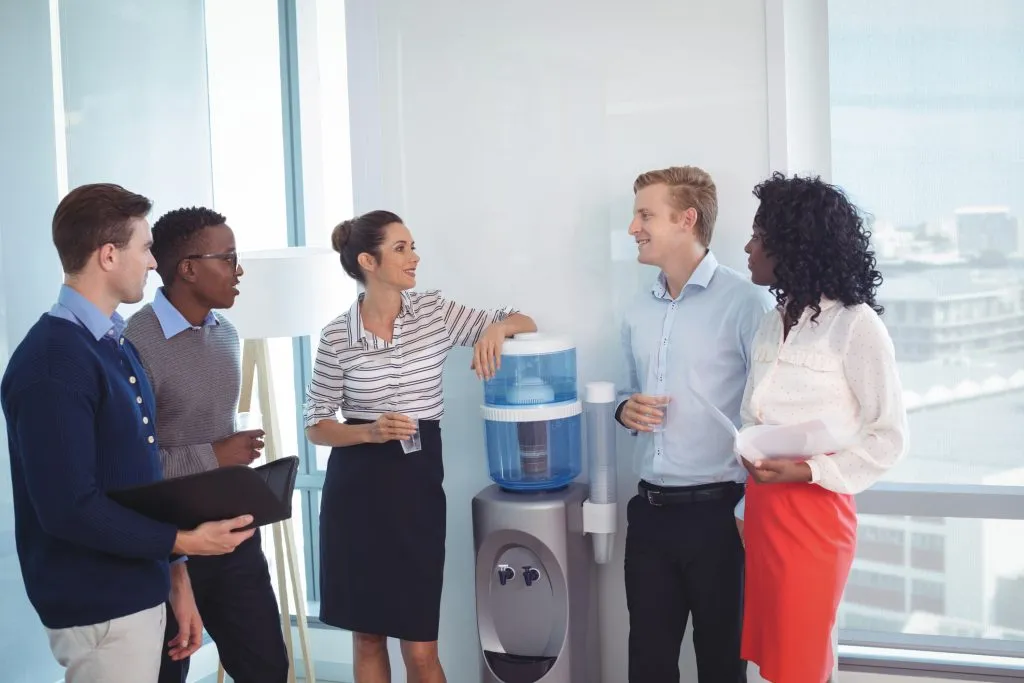
At home, having a dedicated drinking-water station can make it easier to refill reusable bottles during the day. In an office, a cooler placed in a common area gives employees a simple place to grab a drink without interrupting their work for long.
The same idea applies in waiting rooms, workshops, gyms, schools, and other shared spaces. When clean drinking water is easy to find, people are more likely to use it.
Of course, convenience shouldn’t come at the expense of water quality. That’s where choosing the right equipment becomes important.
The Traditional Appeal of Five-Gallon Jugs
For decades, large refillable containers have been a familiar sight in homes and workplaces. Five-gallon water jugs remain popular because they’re straightforward and don’t require plumbing.
You order or refill the container, place it on the cooler, and you’re ready to go.
There are some practical advantages. Installation is usually minimal, and the system can be moved if your needs change. That’s useful for rented offices, temporary workspaces, or homes where installing a plumbed unit isn’t practical.
But there are drawbacks too.
Large bottles can be heavy, particularly when they’re nearly full. Someone has to transport, store, lift, and replace them. Businesses with high water consumption may also need frequent deliveries, which creates another logistical chore.
Storage space is easy to overlook. A few spare containers may not seem like much, but over time they can take up a surprising amount of room.
Bottleless Systems Take a Different Approach
If constantly handling water containers sounds exhausting, a bottleless cooler may be worth considering.
These systems connect to a building’s existing water supply and typically use filtration before dispensing. Instead of replacing a bottle, you replace filters according to the manufacturer’s schedule.
Bottleless reverse osmosis coolers go a step further by incorporating reverse osmosis filtration. Reverse osmosis uses a semipermeable membrane to reduce many dissolved substances from water.
This can be appealing when a household or business wants additional treatment for drinking water rather than simply cooling already-treated tap water.
Still, reverse osmosis isn’t appropriate for every situation. It requires regular maintenance, and systems can produce wastewater during the filtration process. The right choice depends on the source water and what you actually want to reduce.
That’s why testing should come before equipment selection.
Why Water Testing Shouldn’t Be Skipped
It’s easy to assume your water needs treatment because it tastes strange or leaves spots on a glass. But those symptoms don’t tell the whole story.
Water may contain hardness minerals, iron, sediment, chlorine, or other substances that aren’t visible. Conversely, water that looks perfectly clear may still contain something worth testing for.
Expert water testing can help provide a more complete picture. Depending on the test, professionals may evaluate characteristics such as hardness, pH, iron, manganese, chlorine, dissolved solids, or specific contaminants.
Testing is especially important for private wells because groundwater chemistry can vary considerably from one location to another.
Once you know what’s actually present, selecting a treatment system becomes much less of a guessing game.
Think About Who Will Use the Water
A water solution for two people isn’t necessarily suitable for a company with fifty employees.
At home, consider how many people regularly drink filtered water and how frequently they fill large bottles. Families with children may use considerably more than a couple living alone.
In a business environment, peak usage matters. If everyone refills their bottles during the same morning break, a small cooler may struggle to keep up.
Think about the location too. A water cooler hidden in a storage room won’t encourage hydration. In an office, placing it somewhere central can make a noticeable difference.
It sounds like a small detail. It isn’t.
Don’t Ignore Filtration Maintenance
Whatever system you choose, maintenance is part of the deal.
Bottle-fed coolers require proper cleaning and careful bottle handling. Bottleless systems need filter replacements. Reverse osmosis equipment also requires membrane maintenance and periodic servicing.
Skipping maintenance can affect both performance and water quality.
Create a simple reminder schedule. Know which filters your equipment uses and how often they need changing. If you’re buying a system for a business, make sure someone is specifically responsible for maintenance.
“Someone will take care of it” isn’t really a maintenance plan.
Compare the Real Cost, Not Just the Purchase Price
A cooler may look affordable until you add everything else.
For bottle-fed systems, consider the cost of water deliveries, containers, storage, and labor involved in changing bottles. For bottleless systems, look at installation, filters, membranes, electricity, and servicing.
The cheapest option today isn’t necessarily the cheapest option over five years.
Businesses should also consider downtime. If a cooler fails during a busy workweek, how quickly can it be repaired? Are replacement parts readily available? Is service included?
For homeowners, ease of maintenance may be more valuable than advanced features that rarely get used.
Hygiene Still Matters
A cooler can provide excellent drinking water, but the dispensing area needs regular cleaning.
Buttons, taps, handles, and surrounding surfaces can collect dirt, particularly in shared environments. Follow the manufacturer’s cleaning recommendations and pay attention to areas that receive frequent contact.
Bottle-fed systems also need proper handling during bottle changes. Avoid touching openings or components that come into contact with drinking water.
Good equipment and poor hygiene don’t make a good combination.
Choosing Based on Your Actual Needs
There’s no prize for choosing the most complicated water system available.
If your water already meets your needs and you simply want convenient cooling, a straightforward cooler may be enough. If testing reveals specific water-quality concerns, targeted filtration could make more sense.
For households and businesses wanting additional purification, reverse osmosis may be worth exploring. But again, test first and understand what the system is designed to accomplish.
Ask questions about capacity, maintenance, filter life, operating costs, installation, and warranty coverage. A reputable provider should be comfortable explaining the answers.
Better Water Starts With a Practical Choice
The best drinking-water solution isn’t necessarily the newest or most expensive one. It’s the system that fits your water quality, usage habits, available space, and budget.
Large water jugs can offer simplicity. Bottleless coolers can reduce the hassle of deliveries and lifting containers. Reverse osmosis can provide more extensive filtration when the water analysis supports it.
Start with the basics: understand your water, think about who will use it, and calculate the long-term cost.
Once those pieces are clear, choosing becomes much easier.
And when the right system is finally installed, the whole thing should fade into the background. You fill a bottle, take a drink, and get on with your day. Honestly, that’s probably the best sign that you’ve made the right choice.