Water has a funny way of blending into the background. We expect it to be there every morning when we brush our teeth, every evening when we wash the dishes, and countless times in between. It’s one of those everyday comforts we rarely think about—until something changes.
Maybe your favorite coffee doesn’t taste quite right anymore. Perhaps your shower leaves your skin feeling dry, or you notice white spots covering freshly cleaned glasses. At first, these seem like tiny annoyances. Most people shrug them off and move on.
But those little clues can sometimes point to larger water-related concerns that deserve attention. Understanding what’s happening inside your plumbing isn’t about creating unnecessary worry. It’s simply about protecting the comfort, efficiency, and value of your home before minor inconveniences grow into expensive repairs.
Related storyWhy Your Water Doesn’t Feel Right: Understanding Common Well Water Problems and Practical Solutions
Every Home Has Its Own Water Story
Even houses located on the same street don’t always have identical water. Municipal water systems distribute treated water across large service areas, but aging infrastructure, plumbing materials, neighborhood pipelines, and household plumbing all influence what finally comes out of your faucet.
Homes with private wells experience even greater variation. Seasonal rainfall, groundwater movement, nearby construction, agricultural activity, and naturally occurring minerals can all affect water characteristics throughout the year.
That’s why assumptions rarely tell the complete story. Water deserves to be evaluated based on the individual home rather than broad regional averages.
Related storyWhy Investing in Better Water Can Change the Way Your Home Feels Every Day
Living With Hard Water Isn’t Always Obvious
One of the most common household concerns is hard water . It’s not considered dangerous for most people, yet it quietly affects daily life in ways many homeowners don’t immediately recognize.
Hard water contains elevated levels of minerals like calcium and magnesium. These minerals don’t usually change the appearance of drinking water dramatically, but they leave behind subtle evidence over time.
Soap may refuse to lather properly. Towels can feel stiff after washing. Shampoo becomes harder to rinse away completely. Shower doors develop cloudy spots, while faucets seem impossible to keep shiny for long.
Many people spend years fighting these symptoms without realizing the water itself may be responsible.
Related storyWhy a Water Softener Can Make Everyday Home Life Easier
The Hidden Cost of Everyday Water Use
Water flows through nearly every important system inside a home.
Your dishwasher depends on it. So does your washing machine, coffee maker, water heater, refrigerator, and every plumbing fixture throughout the house.
When water isn’t properly balanced for your home’s conditions, small inefficiencies begin to appear. Appliances work a little harder. Cleaning products become less effective. Utility bills may slowly increase without any obvious explanation.
Related storyChoosing a Whole-Building Water Filtration System That Fits Your Home
None of these changes happen overnight, which is exactly why they’re easy to overlook.
The gradual nature of water-related problems makes routine evaluation surprisingly valuable.
Why Mineral Buildup Shouldn’t Be Ignored
Perhaps the most overlooked consequence of hard water is mineral buildup inside plumbing systems and household appliances.
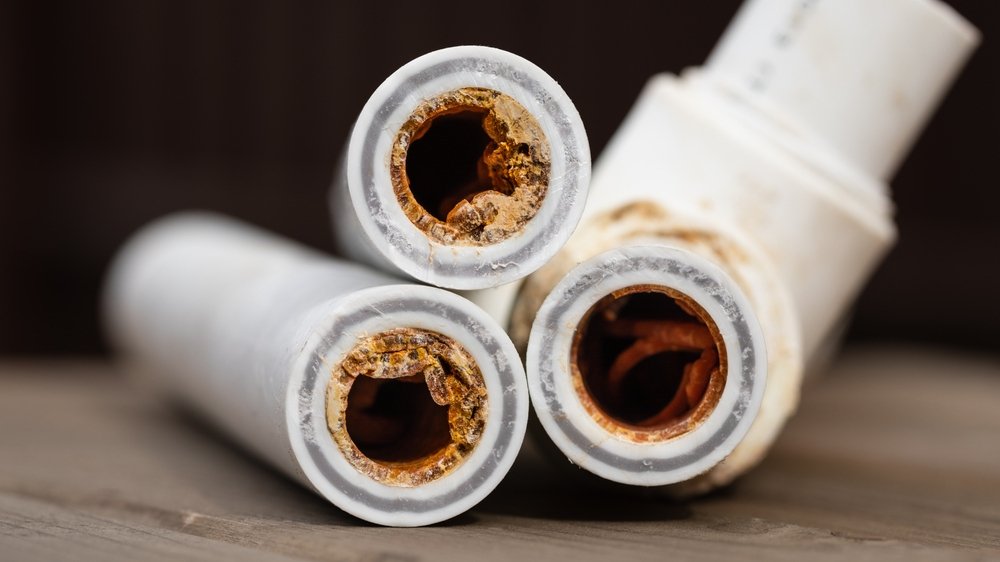
At first, scale deposits seem harmless. A little white residue around the faucet doesn’t appear serious. Yet those same minerals can slowly accumulate inside water heaters, pipes, dishwashers, and washing machines where they’re impossible to see without dismantling equipment.
Related storyThe Everyday Cost of Hard Water and Why It’s Worth Paying Attention To
Over time, this buildup restricts water flow, reduces heating efficiency, and forces appliances to consume more energy while producing less effective results.
Replacing a water heater years earlier than expected costs far more than preventing excessive scale accumulation in the first place.
Sometimes the smallest deposits create the largest expenses.
Your Home Usually Gives Warning Signs
Fortunately, water problems rarely arrive without leaving clues.
Cloudy drinking glasses, soap scum on shower walls, fading laundry colors, itchy skin after bathing, strange tastes, unpleasant odors, or rusty stains around fixtures all deserve attention.
None of these automatically indicate dangerous contamination, but they often suggest conditions worth investigating.
Think of them like the dashboard warning lights in a car. Ignoring them doesn’t guarantee disaster, but paying attention usually prevents bigger issues later.
The earlier you recognize patterns, the easier they are to address.
Understanding the Source Makes All the Difference
Many homeowners try solving water problems by purchasing random filtration products based on advertisements or online reviews.
Unfortunately, that approach often creates frustration.
Different water conditions require different solutions. A filtration system designed for chlorine won’t solve excessive hardness. Likewise, a water softener won’t remove every possible contaminant.
Professional testing helps identify the actual characteristics of your home’s water before money is spent on unnecessary equipment.
Accurate information almost always leads to better long-term decisions.
Solving Water Quality Issues the Right Way
Every home experiences unique water quality issues , which is why personalized recommendations matter.
Some households benefit from water softeners that reduce hardness and protect plumbing. Others may only need drinking water filtration to improve taste and odor. Homes supplied by private wells sometimes require specialized treatment depending on naturally occurring minerals or environmental conditions.
Interestingly, many homeowners discover that their water needs very little treatment at all.
That’s the advantage of testing first. It prevents both overreacting and underreacting.
Instead of guessing, homeowners gain confidence in the decisions they make.
Better Water Supports Everyday Comfort
Improving household water isn’t only about avoiding repairs. It often enhances everyday living in surprisingly simple ways.
Many people notice softer laundry, cleaner dishes, smoother skin, shinier hair, improved tasting beverages, and easier household cleaning after addressing water concerns.
Even plumbing fixtures remain cleaner with less effort.
These improvements don’t necessarily transform daily life overnight, but together they create a more comfortable home that quietly works the way it’s supposed to.
Sometimes quality of life improves through dozens of small changes rather than one dramatic upgrade.
A Little Attention Today Prevents Bigger Problems Tomorrow
Water is easy to overlook because it’s always available. It quietly supports nearly every routine without asking for recognition.
Yet that same reliability can cause homeowners to ignore subtle warning signs until repairs become expensive or inconvenient.
Taking time to understand your home’s water isn’t about chasing perfection. It’s about making informed decisions based on facts rather than assumptions. Whether testing confirms your water is already excellent or identifies opportunities for improvement, you’ll have something valuable that no advertisement can provide—clarity.
After all, your plumbing, appliances, and family depend on water every single day. Giving it a little attention today can help preserve your home’s comfort, efficiency, and performance for many years to come.
In the end, that’s a worthwhile investment. Sometimes the smartest improvements aren’t the most visible—they’re simply the ones that keep everything else running smoothly behind the scenes.