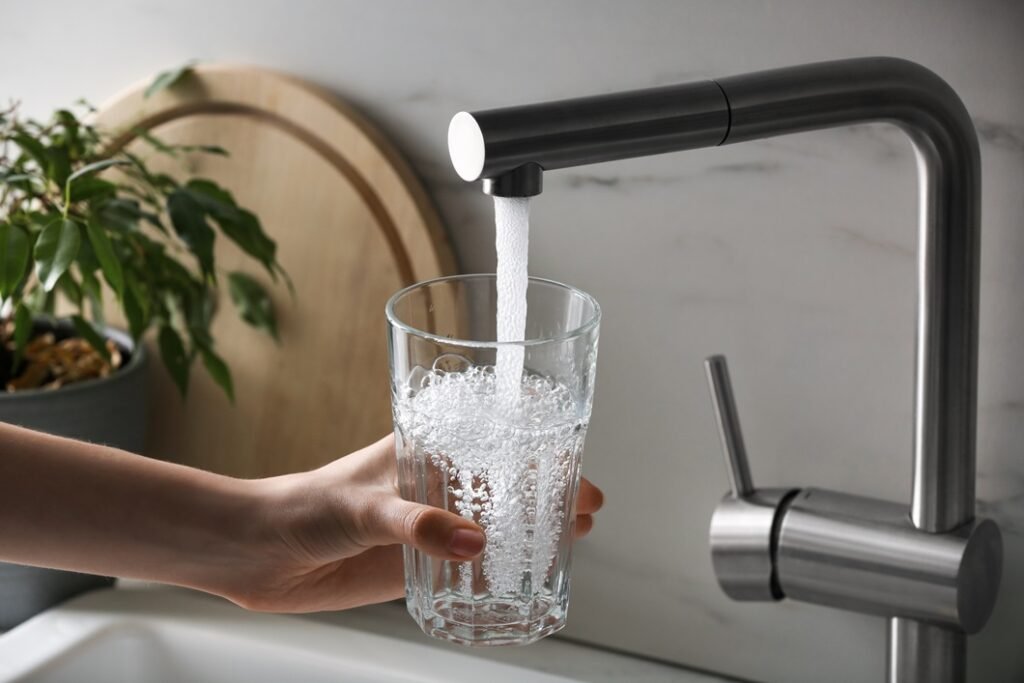
Water is one of those workplace basics that people barely notice when it works well. The cooler is full, the water tastes fresh, tea is easy to make, and everyone gets on with the day. But when the system is awkward, empty, slow, or bad-tasting, suddenly it becomes a small office problem that keeps coming back.
A good water setup should not feel like extra work. Nobody wants to lift heavy bottles, chase deliveries, or wonder why the break room water has that odd chlorine edge. Whether it is a small office, clinic, warehouse, gym, showroom, or school, people need drinking water that is clean, convenient, and available when they want it.
Why Workplace Water Matters More Than It Seems
Water supports the little routines that keep a workplace moving. Morning coffee. Afternoon tea. Refilled bottles before meetings. A quick cold drink after carrying stock, seeing clients, or sitting through a long call. These things may sound ordinary, but ordinary things matter when they happen all day.
Related storyChoosing a Whole-Building Water Filtration System That Fits Your Home
When drinking water is unpleasant or inconvenient, people avoid it. They buy bottled drinks, use plastic water bottles, or go without. That creates clutter, waste, and sometimes unnecessary cost. A reliable water system makes hydration easier without needing constant attention from office managers or staff.
Hot, Cold, and Ready When Needed
One reason modern workplace dispensers are so useful is simple choice. Some people want ice-cold water. Others want hot water for tea, instant coffee, soup, or oatmeal. In busy shared spaces, convenience counts.
Well-designed hot and cold water dispensers can reduce the need for kettles, bottled water, and separate chilled water storage. Staff can fill a cup quickly, visitors can help themselves, and the whole water station feels more organised.
This is especially helpful in places where people move fast. Offices, clinics, salons, fitness centres, and reception areas all benefit from having water that is ready without waiting for a kettle to boil or a fridge to chill bottles.
Related storyWhy Your Water Doesn’t Feel Right: Understanding Common Well Water Problems and Practical Solutions
The Problem With Bottles and Deliveries
Traditional bottled coolers once seemed like the easiest answer, but they come with hidden annoyances. Large bottles take up storage space. Empty jugs need handling. Deliveries must be scheduled. Someone has to replace the bottle when it runs out, and everyone knows that job is never popular.
Small plastic bottles are not much better. They fill bins, crowd cupboards, and cost more over time than many businesses realise. They may be convenient for a meeting now and then, but as a daily water strategy, they become messy and wasteful.
Bottleless systems and plumbed-in dispensers remove much of that hassle. Instead of storing water, the business filters and dispenses it as needed.
Related storyChoosing the Right Drinking Water Solution for Your Home or Business
Choosing a System for Real Business Use
A workplace water setup should match the space. A quiet office with ten employees does not need the same capacity as a large warehouse, school, or medical practice. Placement also matters. One unit hidden at the far end of a building will not serve people well if staff are spread across several floors.
Good commercial water systems are designed around real usage. That means considering staff numbers, visitor traffic, peak demand, available plumbing, water pressure, floor layout, and maintenance access. A system should be easy to use, but also strong enough to keep up during busy hours.
A proper assessment helps avoid undersized equipment, slow dispensing, or constant service issues later.
Why Filtration Makes the Difference
A dispenser is only as good as the water behind it. If the incoming water tastes sharp, smells like chlorine, or carries sediment, people will notice. That is why water filtration is such an important part of a reliable office water setup.
Different filters do different jobs. Carbon filters may help reduce chlorine taste and odour. Sediment filters can catch particles. More advanced systems may be needed if water testing shows specific concerns. The goal is not to guess, but to understand the water and choose filtration that fits.
Related storyChoosing the Right Pump for Reliable Water Flow at Home
When filtration is right, the difference is clear. Water tastes fresher. Coffee and tea improve. Staff are more likely to refill reusable bottles. Visitors get a better impression.
A Cleaner Break Room and Less Waste
Better water systems can also improve the look and feel of shared spaces. No stacks of plastic bottles. No empty jugs waiting in corners. No cardboard packaging. No clutter around the cooler. A clean, modern dispenser gives the break room or reception area a more professional feel.
For businesses trying to reduce waste, this is a practical step. It does not require a big campaign or complicated behaviour change. People simply fill cups and reusable bottles from the dispenser instead of opening disposable bottles all day.
Related storyWhy a Water Softener Can Make Everyday Home Life Easier
Small changes, repeated daily, can make a noticeable difference.
Maintenance Should Be Planned, Not Forgotten
Even a good system needs regular care. Filters need changing. Dispensing points should be cleaned. Internal parts may need inspection. If maintenance is ignored, water flow can slow down, taste may change, and the system may not perform as expected.
The best setup includes clear service support. Businesses should know when filters will be replaced, who to call if something changes, and how often the unit needs checking. Planned maintenance keeps the system reliable and prevents small problems from turning into office complaints.
Nobody wants to manage water emergencies during a busy workday.
What Better Workplace Water Feels Like
When the system works well, people stop thinking about it. That is the goal. Staff fill their bottles. Someone makes tea before a meeting. A visitor gets a cold glass of water. The break room stays tidier. Deliveries disappear from the schedule.
It is not flashy, but it makes the workplace feel better run.
Good water access also sends a quiet message: this place cares about comfort, cleanliness, and practical details. In customer-facing businesses, that can matter more than people realise.
A Simple Upgrade With Long-Term Value
Choosing the right workplace water system begins with a few sensible questions. How many people will use it? Where should it go? Does the current water taste good? Is hot water needed? How often will maintenance be handled?
Once those answers are clear, it becomes easier to choose a dispenser or filtration setup that fits the space. The right system should reduce waste, save storage, improve taste, and make daily hydration easier.
Better water at work does not need to be complicated. It just needs to be clean, convenient, and ready when people need it.