Water flows through our homes every single day, quietly doing hundreds of jobs we rarely stop to appreciate. It fills the kettle before breakfast, rinses dishes after dinner, powers the washing machine, and gives us a warm shower after a long day. Because it’s always there, it’s easy to assume it’s working exactly as it should.
But in many homes, the water carries something extra—naturally occurring minerals like calcium and magnesium. They’re not usually harmful to drink, yet they slowly leave their mark on almost everything they touch. The frustrating part is that the effects appear so gradually that most homeowners don’t notice the connection until repairs become expensive or appliances start underperforming.
Understanding how hard water affects your home is one of those small pieces of knowledge that can save a surprising amount of money over the years.
Related storyWhy a Water Softener Can Make Everyday Home Life Easier
What Makes Water “Hard”?
Hard water forms naturally as groundwater passes through limestone, chalk, and other mineral-rich rock formations. Along the way, it dissolves calcium and magnesium before entering municipal water systems or private wells.
Depending on where you live, those mineral levels can range from barely noticeable to extremely high.
The water itself often looks perfectly clear and tastes completely normal. That’s why hard water frequently goes unnoticed until homeowners begin seeing cloudy dishes, stubborn white stains, or declining appliance performance.
Related storyWhy Your Water Doesn’t Feel Right: Understanding Common Well Water Problems and Practical Solutions
The minerals aren’t dangerous—but they are persistent.
Why Hard Water Build-Up Happens So Gradually
One reason hard water build-up catches homeowners off guard is because it develops almost invisibly.
Every time water is heated or evaporates, tiny mineral deposits remain behind. One shower or one dishwasher cycle isn’t enough to create noticeable problems. Thousands of cycles over several years are a different story.
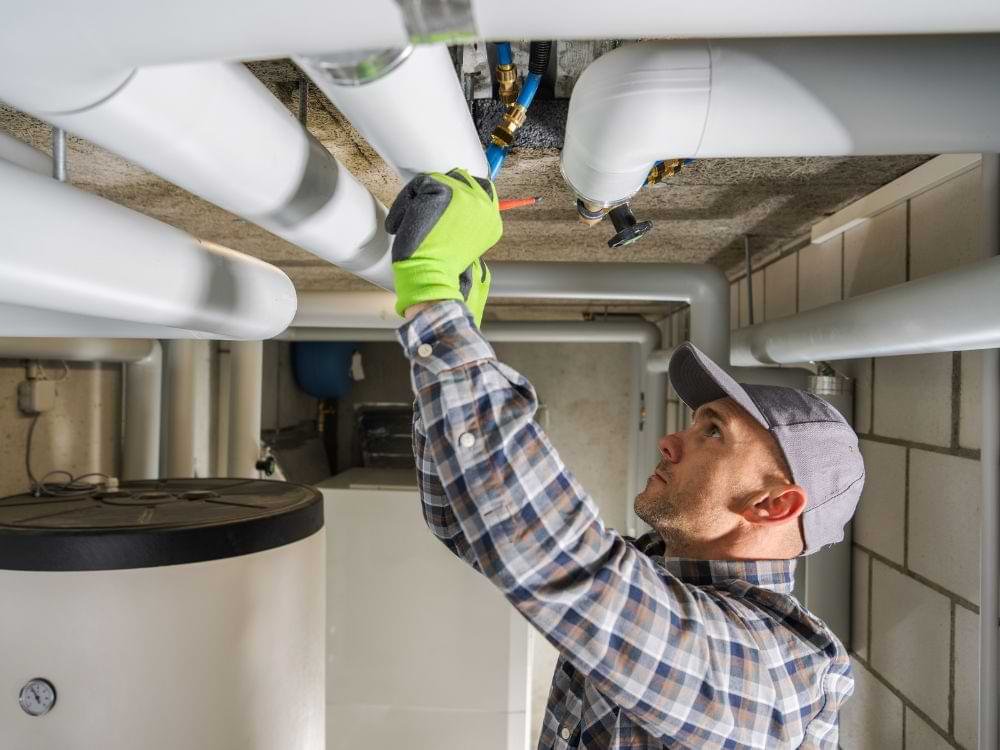
Minerals slowly coat faucet aerators, showerheads, plumbing pipes, water heaters, coffee makers, washing machines, and dishwashers.
At first, the buildup is microscopic. Eventually it becomes thick enough to restrict water flow, reduce heating performance, and increase wear on expensive household equipment.
Related storyChoosing a Whole-Building Water Filtration System That Fits Your Home
Because the process happens little by little, many people assume these issues are simply part of getting older appliances.
Small Household Clues You Shouldn’t Ignore
Hard water usually provides subtle warning signs long before major repairs become necessary.
You might notice:
- White residue around faucets
- Cloudy drinking glasses
- Soap that refuses to lather properly
- Stiff towels after washing
- Dry skin after showering
- Reduced shower pressure
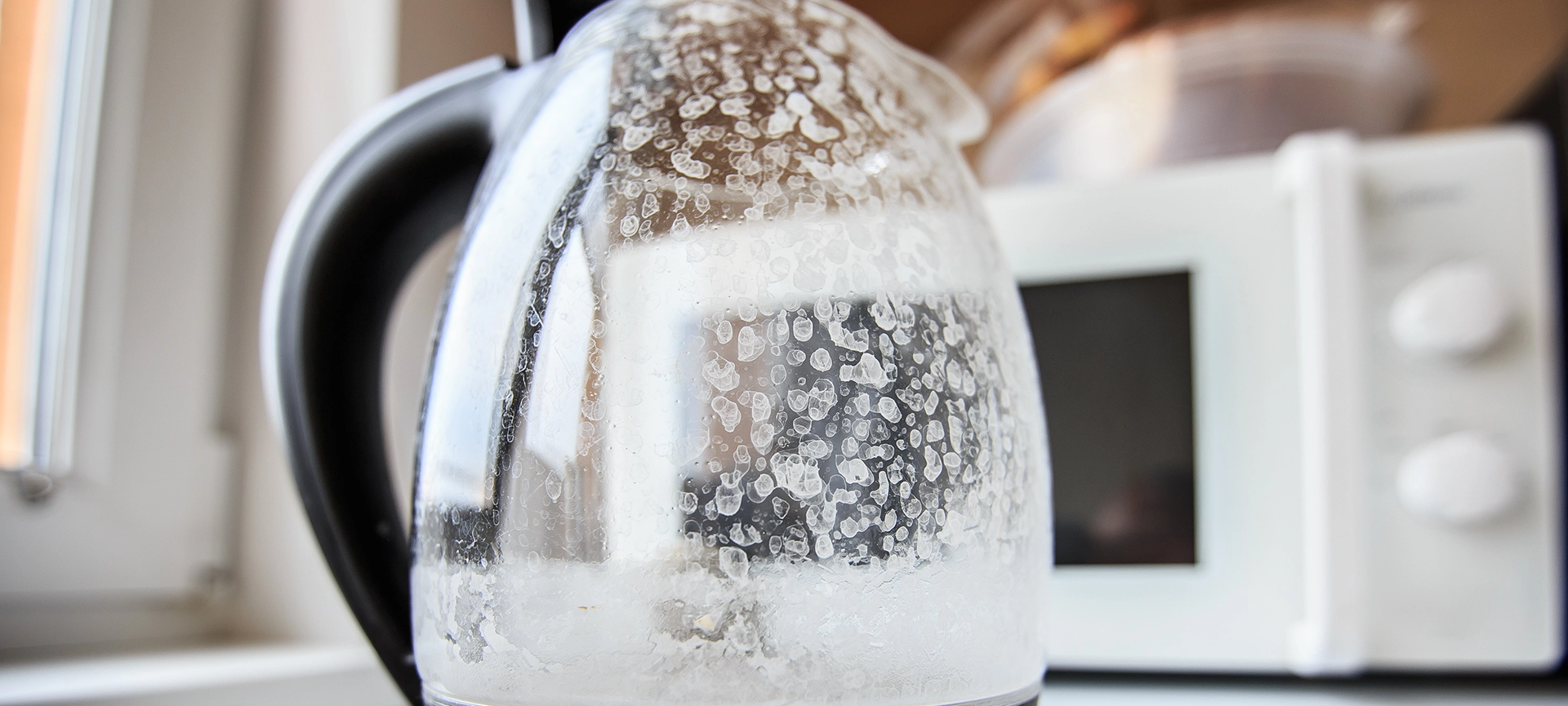
- Mineral stains inside kettles
Individually, these problems seem minor.
Related storyWhy Investing in Better Water Can Change the Way Your Home Feels Every Day
Together, they often paint a clear picture of water hardness affecting your entire home.
Recognizing these signs early allows homeowners to act before long-term damage becomes more expensive.
How Hard Water Reduces Appliance Efficiency
Household appliances depend on water performing the way engineers intended.
When minerals begin coating internal heating elements and moving parts, appliance efficiency gradually declines.
Water heaters require more energy to produce hot water because scale acts like insulation around heating components. Dishwashers may struggle to rinse dishes thoroughly, while washing machines often need longer cycles to achieve similar cleaning performance.
Related storyHow Proper Water Treatment Installation Can Improve Your Home’s Water Quality
Coffee makers brew more slowly, humidifiers lose effectiveness, and kettles accumulate thick mineral layers that reduce heat transfer.
None of these changes happens overnight, which makes them surprisingly easy to overlook.
Yet over several years, the extra energy consumption and additional maintenance costs can become significant.
The Hidden Cost Beyond Utility Bills
Many homeowners focus only on electricity or gas bills, but hard water affects much more than monthly expenses.
Cleaning products often become less effective because soap reacts with hardness minerals before it can properly clean surfaces.
Bathrooms require more scrubbing. Shower doors collect stubborn spots. Kitchen fixtures lose their shine faster, and dishwashers leave behind cloudy glassware despite using quality detergent.
The additional cleaning time may not appear on a financial statement, but it certainly affects everyday life.
Replacing appliances prematurely also represents a hidden cost that’s frequently linked to untreated hard water.
Practical Maintenance That Makes a Difference
Fortunately, reducing hard water problems doesn’t always require major renovations.
Flushing your water heater annually helps remove accumulated sediment before it becomes excessive. Cleaning showerheads and faucet aerators with white vinegar dissolves early mineral deposits naturally.
Coffee makers and kettles also benefit from periodic descaling, helping maintain their brewing performance.
These simple maintenance habits won’t eliminate hard water, but they can significantly reduce its impact while extending appliance life.
Consistency matters far more than expensive cleaning products.
Why Many Homeowners Invest in Water Treatment
For households with consistently hard water, comprehensive water treatment often provides the most effective long-term solution.
Water softeners remove calcium and magnesium before they travel through the home’s plumbing system, dramatically reducing mineral deposits inside appliances and fixtures.
Some homeowners also combine softening with filtration to address chlorine, sediment, iron, sulfur, or other localized water quality concerns.
Choosing the right treatment system begins with proper water testing.
Rather than guessing which equipment might help, testing identifies the specific characteristics of your home’s water so solutions can be matched accordingly.
That personalized approach usually delivers better performance and greater long-term value.
Better Water Improves More Than Appliances
One of the most rewarding aspects of improving water quality is how many small frustrations quietly disappear.
Laundry feels softer. Soap rinses away more easily. Glassware looks cleaner. Showers become more enjoyable because shampoo lathers properly and skin feels less dry afterward.
Cooking often improves too. Coffee, tea, soups, and homemade meals benefit from cleaner water with fewer competing mineral flavors.
These aren’t dramatic overnight transformations.
They’re small improvements repeated dozens of times every single day.
A Smarter Way to Protect Your Home
Hard water isn’t an emergency waiting to happen. It’s a slow-moving challenge that quietly influences nearly every plumbing fixture and appliance in your home.
Ignoring it doesn’t usually cause immediate disaster, but it can shorten equipment life, increase maintenance costs, and make everyday cleaning more frustrating than it needs to be.
By recognizing the early signs, practicing regular maintenance, and considering appropriate water treatment when necessary, homeowners can protect valuable appliances while making daily life noticeably easier.
Sometimes the most valuable home improvement isn’t something you can see from the street. It’s improving the quality of the water flowing behind the walls—because better water quietly supports everything else your home depends on.