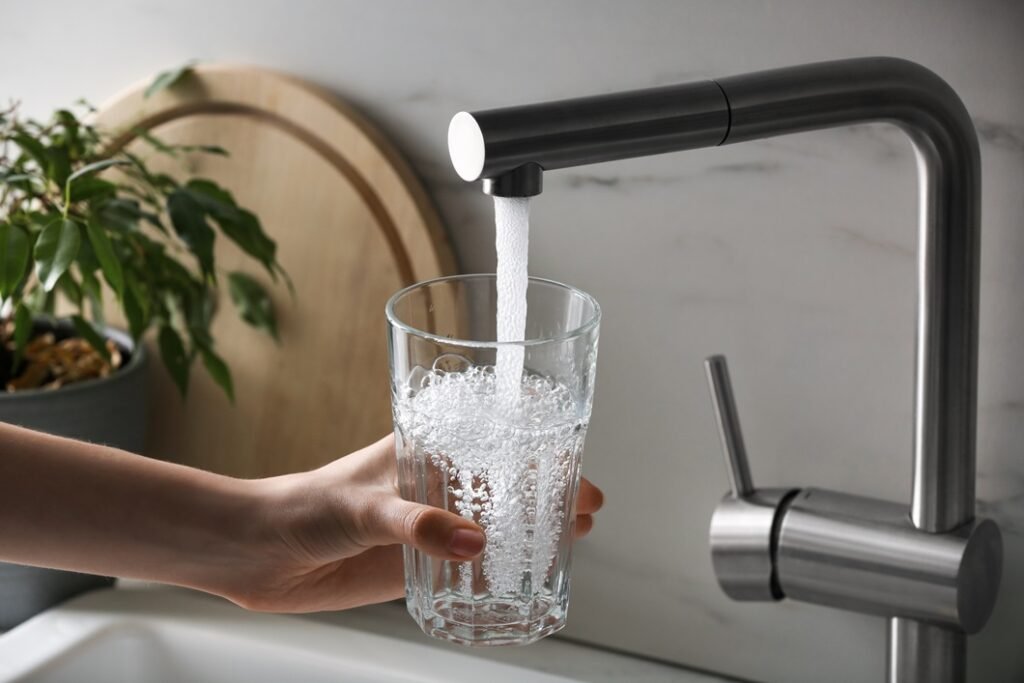
Clean water feels like one of those simple things a home should just have. You turn the tap, fill a glass, wash your hands, start the dishwasher, run a bath for the kids, and move on with the day. Most of us don’t want to think about minerals, filters, pressure, bacteria, chlorine, or what might be happening inside the pipes. We just want water that tastes good, smells normal, rinses cleanly, and doesn’t leave stains everywhere.
But water is not always that straightforward. One home may struggle with hard water buildup. Another may have a rotten-egg smell. A third may deal with cloudy water, dry skin, rusty marks, or drinking water that tastes like it came from a swimming pool. And the slightly frustrating truth is this: the right fix depends on the actual problem.
That’s why water treatment should never be treated like a random purchase. It works best when it starts with understanding.
Related storyChoosing a Whole-Building Water Filtration System That Fits Your Home
Every Home Has a Different Water Story
Water quality can change from one neighborhood to another, and sometimes even from one house to the next. City water and well water behave differently. New plumbing and old plumbing can create different concerns. Seasonal changes, local minerals, soil conditions, treatment methods, and household usage all play a role.
So when a homeowner says, “My water seems off,” that can mean several things. Maybe soap doesn’t lather properly. Maybe shower doors are covered in white spots. Maybe laundry feels stiff. Maybe coffee tastes dull no matter what beans are used. These are small details, sure, but they add up.
A proper water test helps take the guesswork out of the conversation. Instead of assuming, you can see what is really going on.
Related storyWhy Your Water Doesn’t Feel Right: Understanding Common Well Water Problems and Practical Solutions
Why One-Size-Fits-All Rarely Works
It’s tempting to buy the filter with the best-looking box or the most dramatic online reviews. We’ve all done something like that. The problem is, a filter that works beautifully for one home may do very little for another.
Hard water usually needs a different solution than chlorine taste. Iron staining is not handled the same way as sediment. Bacteria concerns require a different approach than mineral buildup. And some homes have more than one issue at the same time, which makes the solution a bit more layered.
That’s where customized treatment plans become so important. A thoughtful plan looks at the water test results, the home’s plumbing, daily water usage, family needs, and long-term goals. It is not just about installing equipment. It is about solving the right problem in the right order.
The Value of Professional Guidance
Water treatment can feel confusing because there are so many options. Softeners, carbon filters, reverse osmosis systems, UV units, sediment filters, iron filters, whole-home setups, under-sink systems — it’s a lot, especially for someone who just wants better water.
Related storyWhy a Water Softener Can Make Everyday Home Life Easier
A knowledgeable technician can explain what each system does and, just as importantly, what it does not do. That matters. A water softener may help with hardness, but it is not designed to remove every drinking-water contaminant. A carbon filter may improve taste and odor, but it may not solve iron problems. Reverse osmosis can be excellent for drinking water, but it may not be necessary for every tap in the house.
Good guidance prevents wasted money. It also prevents disappointment.
Installation Is More Than Hooking Up Equipment
Even the best water treatment system can underperform if it is installed poorly. Water pressure, pipe size, drain access, placement, bypass valves, electrical needs, and maintenance access all matter more than people realize.
That is why professional installation is such a key part of long-term performance. A trained installer knows how to connect the system properly, check flow rates, avoid common plumbing mistakes, and make sure the setup is practical for future servicing.
A neat installation also makes life easier. Filters should be reachable. Salt tanks should be placed sensibly. Equipment should not block important access points. The whole setup should feel like it belongs in the home, not like a rushed weekend experiment.
Related storyHow Proper Water Treatment Installation Can Improve Your Home’s Water Quality
Better Water Changes Daily Routines
The benefits of good water treatment are often quiet, but noticeable. Dishes come out cleaner. Showers feel better. Fixtures stay brighter. Laundry softens up. Drinking water tastes fresher. Appliances may run more efficiently because they are not constantly fighting scale or sediment.
These are not flashy improvements, but they are the kind you use every day. And honestly, those are sometimes the best upgrades. Nobody brags about fewer spots on glassware at dinner, but they definitely notice when they are gone.
For families with well water, the difference can be even bigger. Reducing odors, sediment, iron, or microbial concerns can make the entire home feel more comfortable and reliable.
Related storyWhy Investing in Better Water Can Change the Way Your Home Feels Every Day
Maintenance Keeps the System Honest
Water treatment is not something you install and forget forever. Filters need to be replaced. Softener salt may need checking. UV lamps have service intervals. RO membranes eventually wear out. Even strong systems need attention if they are going to keep doing their job properly.
This is where ongoing service makes a real difference. Regular checkups help catch small problems before they affect water quality or damage equipment. They also keep the system working at the level it was designed to perform.
Skipping maintenance might not cause trouble right away, which is exactly why people forget about it. But slowly, performance can drop. Water may start tasting different. Pressure may change. Filters may clog. A simple service schedule prevents many of those headaches.
A Smarter Way to Care for Your Home
Good water treatment is really about matching the solution to the home. Not overselling. Not guessing. Not pretending every issue needs the biggest system available. Just careful testing, honest recommendations, proper installation, and steady maintenance.
That approach protects more than drinking water. It supports plumbing, appliances, laundry, cooking, cleaning, and everyday comfort. It also gives homeowners something that is easy to undervalue until they have it: confidence.
When water tastes clean, rinses properly, and stops causing little frustrations around the house, life feels smoother. Not perfect, because no home ever is. But easier. Cleaner. More settled.
And sometimes that is the whole point. Better water is not only about what comes out of the tap. It is about making the home feel cared for, one glass, one shower, and one quiet daily routine at a time.