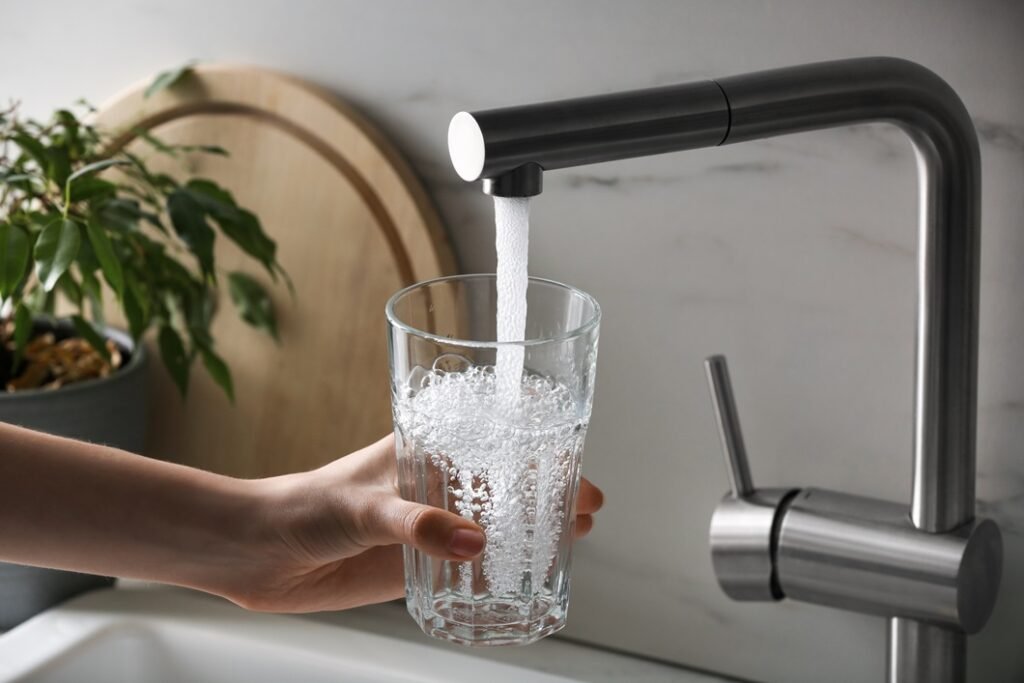
Every home has its own water story. In one house, the problem is cloudy glasses and chalky spots on the shower door. In another, it’s a metallic taste, a chlorine smell, or brownish stains that keep coming back no matter how often someone scrubs the sink. Sometimes the water looks perfectly fine, but the family still doesn’t trust it enough to drink straight from the tap.
That’s why water treatment should never feel like a random purchase. The best solution starts with understanding what is actually coming through the pipes.
Why Generic Filters Often Fall Short
A basic filter can be useful, but it may not be enough for every home. Water problems can come from minerals, sediment, chlorine, iron, lead, PFAS, bacteria, or old plumbing. Each issue behaves differently, and each one needs the right kind of treatment.
Related storyWhy a Water Softener Can Make Everyday Home Life Easier
This is where custom filtration systems make sense. Instead of relying on a one-size-fits-all setup, a customised system is designed around the home’s water test results, usage, plumbing layout, and specific concerns. It’s a more thoughtful way to treat water, and usually a more effective one too.
Testing Removes the Guesswork
Before choosing equipment, testing matters. A water test can show hardness levels, pH, iron, chlorine, sediment, total dissolved solids, and other possible concerns depending on the source. Well water may need a different approach than municipal water. Older homes may also have plumbing-related concerns that don’t show up in a city water report.
Good residential water treatment begins with these facts. Once the results are clear, homeowners can choose a system that fits the real problem instead of guessing based on taste, stains, or online reviews.
Treating the Water You Actually Use
Water is not only for drinking. It runs through showers, laundry machines, dishwashers, water heaters, toilets, ice makers, coffee machines, and garden taps. So the right treatment plan should consider how the household uses water every day.
A family concerned mainly with drinking water may benefit from an under-sink reverse osmosis system. A home dealing with hard water might need a softener to protect plumbing and appliances. If there are odors, stains, or sediment, a whole-home filtration setup may be the smarter option.
Related storyChoosing a Whole-Building Water Filtration System That Fits Your Home
The point is simple: the system should match the home, not the other way around.
What Contaminant Reduction Really Means
People often talk about cleaner water in general terms, but treatment works best when it is specific. Reducing chlorine taste is not the same as reducing lead. Removing sediment is not the same as treating bacteria. Softening water is not the same as filtering chemicals.
Effective contaminant removal depends on using the right technology for the target concern. Activated carbon, reverse osmosis, UV purification, sediment filters, softeners, and specialty media all serve different purposes. Sometimes one technology is enough. Sometimes a layered approach gives better protection.
That’s why professional guidance can be valuable. It helps homeowners avoid paying for equipment they don’t need while making sure serious concerns are not missed.
Comfort Is Part of the Benefit
Cleaner water is practical, but it also changes the feel of home life. Coffee can taste better. Showers may feel fresher. Laundry can come out cleaner. Fixtures may stay brighter. And when the water smells and tastes right, people naturally drink more from the tap instead of buying bottled water.
Related storyWhy Your Water Doesn’t Feel Right: Understanding Common Well Water Problems and Practical Solutions
These are not dramatic changes, but they are noticeable. Water touches so many daily routines that even small improvements can make the whole home feel easier to live in.
Maintenance Keeps the System Honest
A good filtration system is not something to install and forget forever. Filters need replacing. Media may need service. UV bulbs, if used, require scheduled changes. Softener salt levels may need checking. Maintenance keeps performance consistent and protects the investment.
It’s not the most exciting part of water treatment, but it is one of the most important. A neglected system can lose effectiveness over time, and that defeats the whole purpose of installing it.
Related storyA Practical Guide to Reducing Scale, Stains, and Unpleasant Water Taste at Home
A Smarter Way to Choose Water Treatment
The right water system should feel practical, not confusing. Start with testing. Understand the results. Choose equipment based on the actual water conditions. Then maintain it properly.
That approach saves money, reduces frustration, and gives the household more confidence in the water they use every day. Better water doesn’t need to be complicated. It just needs to be treated with the right plan, the right equipment, and a little common sense.
In the end, clean water is one of those quiet comforts that matters more than people realise. You may not think about it every time you fill a glass, but when it tastes fresh, feels better, and works well throughout the home, you notice. And you definitely don’t want to go back.
Related storyWhy Investing in Better Water Can Change the Way Your Home Feels Every Day