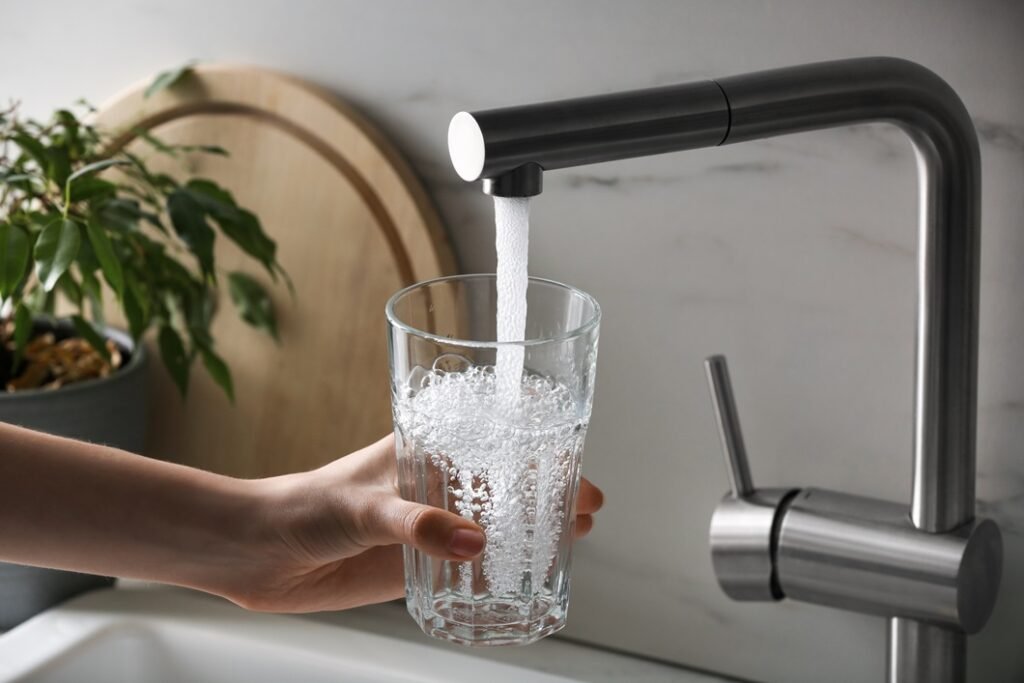
Most people don’t think much about the water running through their home until something about it becomes impossible to ignore. Maybe the kitchen tap starts giving off a strange smell. Maybe the bathtub gets those stubborn stains that no cleaner seems to fully remove. Or maybe your coffee just tastes a little flat, even though you bought the expensive beans this time.
Water is quiet that way. It works in the background. It fills pots, rinses vegetables, washes towels, runs through water heaters, dishwashers, showerheads, garden hoses, and washing machines. When it’s good, you barely notice it. When it’s not, it can make the whole house feel a bit off.
And honestly, better water at home isn’t only about drinking a nicer glass of water. It’s about protecting your plumbing, keeping appliances running longer, making cleaning less frustrating, and feeling more confident about what your family uses every day.
Related storyWhy Your Water Doesn’t Feel Right: Understanding Common Well Water Problems and Practical Solutions
Why Water Quality Deserves More Attention
There’s a common mistake homeowners make: if water looks clear, they assume it’s fine. Sometimes it is. But water can look perfectly normal and still contain minerals, chlorine, sediment, iron, hardness, or other unwanted elements that affect taste, smell, and performance around the house.
City water is usually treated before it reaches your home, but it still has to travel through pipes, mains, and sometimes older infrastructure. Well water has its own set of concerns because it comes directly from the ground, where minerals, bacteria, and environmental factors can change the water’s condition over time.
That’s why clean water is not just a health phrase tossed around in advertisements. It’s a practical part of everyday comfort. Better water can improve the taste of drinks, reduce stains, help soap rinse properly, protect fixtures, and make your home feel cleaner in small but noticeable ways.
The Little Signs Your Water May Be Telling You Something
Water problems often start quietly. A faint smell here. A bit of cloudy water there. White marks on glasses. Orange staining in the toilet bowl. Dry skin after showers. Soap that refuses to lather properly. These things can seem small, but they usually point to something happening behind the scenes.
Related storyWhy a Water Softener Can Make Everyday Home Life Easier
Hard water, for example, is one of the most common issues in many homes. It contains higher levels of calcium and magnesium. These minerals are not usually harmful to drink, but they can leave scale behind in pipes, appliances, taps, and showerheads. Over time, that buildup can reduce efficiency and make appliances work harder.
Iron can cause reddish or brownish stains. Chlorine may give water a sharp taste or swimming-pool smell. Sediment can make water look cloudy or gritty. Low pH may contribute to corrosion. None of these problems should be ignored for too long, because water touches almost every part of a home.
How Filtration Can Improve Daily Life
The right filtration systems can make a big difference, but only when they are matched to the actual problem. A simple carbon filter may improve taste and reduce chlorine odour. A sediment filter can catch dirt, rust, and particles before they reach your taps. Reverse osmosis can be useful for drinking water where dissolved impurities are a concern.
But not every filter does everything. That’s where people sometimes get disappointed. They buy a system because it looks impressive or has a strong online review, only to find that it doesn’t solve their specific issue. A filter made for taste may not fix hardness. A softener may not remove bacteria. A sediment filter won’t magically solve chemical concerns.
Related storyChoosing a Whole-Building Water Filtration System That Fits Your Home
Good water improvement starts with understanding what is in the water first. After that, choosing the right system becomes much easier and far less expensive in the long run.
Plumbing and Water Quality Work Together
Water quality and plumbing are closely connected, even if homeowners often treat them like separate topics. Your pipes, fixtures, water heater, and appliances all affect how water performs once it enters the home.
Old pipes can release particles. Corrosion can change taste and colour. Scale buildup can reduce water pressure. A neglected water heater can create odours or send sediment into hot water lines. Even if the water entering your home is decent, poor plumbing conditions can affect what finally comes out of the tap.
Related storyA Practical Guide to Reducing Scale, Stains, and Unpleasant Water Taste at Home
That’s why regular maintenance matters. Flushing the water heater, replacing worn fixtures, checking for leaks, and cleaning aerators can all support better water quality. It’s not glamorous work, no. But it helps prevent bigger problems later.
Testing Before Spending Is Always Smarter
Guessing at water problems is easy. Solving them properly takes testing. A professional water test can reveal hardness levels, iron, chlorine, bacteria, pH, total dissolved solids, nitrates, and other possible concerns depending on the home and water source.
This is especially important for well water, older homes, homes with young children, or properties where water suddenly changes in taste, smell, or colour. Testing gives you a clear starting point. Without it, you might spend money on equipment that only treats part of the issue.
Related storyWhy Investing in Better Water Can Change the Way Your Home Feels Every Day
Once the results are clear, the right treatment solutions can be selected with more confidence. That might mean a softener, carbon filter, reverse osmosis system, UV purifier, acid neutralizer, iron filter, or a combination of methods. The best solution is not always the biggest one. It’s the one that fits your water.
The Comfort of Water That Simply Works
There’s something satisfying about water that behaves the way it should. Glasses dry without spots. Towels feel softer. The shower feels better on your skin. Coffee tastes cleaner. Taps stay brighter for longer. Laundry comes out fresher. Even cleaning the bathroom becomes less of a battle.
These are not dramatic changes, but they matter. A home is built from small comforts, and water is part of nearly all of them.
Better water also helps protect your investment. Appliances like dishwashers, washing machines, water heaters, and coffee makers often last longer when they aren’t fighting constant mineral buildup or sediment. Plumbing fixtures can stay in better condition too, which means fewer repairs and less frustration.
A More Thoughtful Way to Care for Your Home
Water quality is easy to overlook because it feels ordinary. But ordinary things often have the biggest impact. You use water every single day, many times a day, without even counting. So it makes sense to care about what’s flowing through your pipes.
The best approach is simple: notice changes, test when needed, maintain your plumbing, and choose equipment based on facts rather than guesswork. You don’t have to become a water expert. You just need to pay attention before small issues turn into costly ones.
In the end, better water is about more than taste. It’s about comfort, confidence, and keeping your home running smoothly. And when the water in your house feels right, a lot of other things quietly feel better too.