Walk into any busy commercial building and you’ll notice the obvious things first. The staff moving quickly. The machines running. The phones ringing. The smell of coffee somewhere in the background, maybe. What you probably won’t notice is the water system quietly doing its job behind the walls, under counters, inside equipment, and through fixtures that everyone depends on without really thinking about it.
That’s the funny thing about water. When it’s working well, it fades into the background. When it isn’t, everything gets awkward fast. Strange tastes, mineral buildup, cloudy ice, equipment scale, staining, low flow, and unexpected downtime can all cause problems that feel far bigger than “just water.”
For commercial properties, water quality is not only about comfort. It affects operations, customer experience, hygiene standards, equipment lifespan, and even the confidence people have in a business. Whether a site is serving meals, producing goods, or caring for people, dependable water matters every single day.
Water Is Part of the Customer Experience
In restaurants, cafés, hotels, and catering environments, water quality shows up in ways customers can actually taste. Coffee can taste flat. Ice can smell odd. Glassware can come out spotted. Soups, sauces, and drinks may not have the clean finish people expect. Customers might not know why something feels off, but they notice.
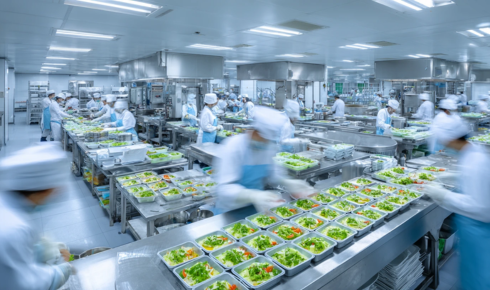
This is especially true in food service, where consistency is everything. A kitchen can use good ingredients and skilled staff, but poor water quality can still interfere with flavour, appearance, and equipment performance. Steamers, dishwashers, ice machines, espresso machines, and water dispensers all rely on water that behaves properly.
Hardness minerals can build up inside equipment and reduce efficiency. Chlorine may affect taste. Sediment can clog filters or small internal components. These issues may start small, but in a fast-paced kitchen, small problems rarely stay small for long.
Equipment Protection Is Not Optional
Commercial equipment is expensive. That’s putting it mildly. A water heater, boiler, dishwasher, coffee system, steriliser, cooling unit, or production machine can represent a serious investment. When water quality is ignored, that investment can suffer quietly from the inside.
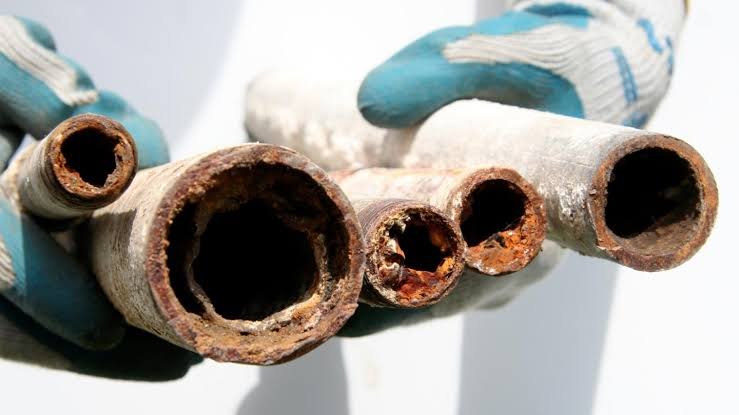
Scale buildup is one of the most common problems. It forms when minerals in hard water collect on heating elements, pipes, valves, and surfaces. Over time, equipment has to work harder. Energy use may rise. Maintenance calls become more frequent. Parts wear out earlier than expected. And then comes the dreaded downtime.
Downtime is not just inconvenient. It can mean delayed orders, unhappy customers, interrupted schedules, and lost revenue. For many businesses, preventing problems is far cheaper than reacting once equipment fails.
Production Needs Consistency
In manufacturing, water may be used for washing, cooling, rinsing, blending, heating, cleaning, or as part of a finished product. The exact use depends on the industry, of course, but the need for consistency is usually the same. When water quality changes, production quality can change with it.
Even slight variations in mineral content, sediment, pH, or contaminants can affect results. A rinse process may leave residue. A cooling system may develop scale. Cleaning cycles may become less effective. In some settings, inconsistent water can lead to rejected batches, extra labour, or quality control headaches that no team wants to deal with.
That’s why commercial water treatment should be based on actual site conditions, not guesswork. A proper water analysis helps identify what is present and what type of system will solve the problem without overcomplicating the setup.
Hygiene and Safety Depend on Trustworthy Systems
Clean, reliable water plays a serious role in spaces where health, sanitation, and public trust are involved. It supports handwashing, cleaning, sterilisation, laundry, patient care, laboratory use, and general facility maintenance. When water issues appear in these environments, they deserve quick attention.
In healthcare facilities, water quality can affect more than daily convenience. It can influence cleaning standards, equipment performance, infection control processes, and the overall safety of patients, staff, and visitors. That doesn’t mean every water concern is an emergency, but it does mean the system should be monitored, maintained, and treated with care.
Hospitals, clinics, dental offices, care homes, and laboratories may each require different levels of treatment. Some need sediment filtration. Others may need softening, reverse osmosis, ultraviolet disinfection, or specialised systems designed for sensitive applications.
One Building May Need More Than One Solution
A common mistake is assuming a single filter can solve every water issue. Commercial buildings are rarely that simple. The kitchen may need taste and scale control. A boiler may need hardness reduction. A lab may require purified water. Restrooms may need general sediment protection. Laundry areas may benefit from softening.
The best approach is usually layered. Sediment filters catch particles. Carbon filtration can improve taste and reduce chlorine. Water softeners help with hardness. Reverse osmosis can support higher purity needs. UV systems may be used where microbial control is important. The right combination depends on the building, usage, regulations, and budget.
And yes, maintenance matters. A great system that is neglected will eventually become a weak point. Filters need changing. Tanks need inspection. Media may need replacement. Readings should be checked. Staff should know when something seems unusual, like reduced flow, strange taste, staining, or pressure changes.
Better Water Supports Better Work
The value of commercial water treatment is not always dramatic on day one. It’s often quieter than that. Fewer service calls. Better-tasting beverages. Cleaner glassware. More efficient equipment. Smoother cleaning. Less scale. More confidence.
That kind of reliability is easy to underestimate until it disappears.
Businesses already have enough moving parts. Staff, suppliers, customers, compliance, bills, deadlines — the list never really ends. Water should not be another unpredictable problem sitting in the background. With proper testing, the right system design, and regular maintenance, it can become one of those steady foundations that keeps everything else running better.
In the end, good water quality is not just a technical detail. It’s part of how a commercial space functions, feels, and performs. It protects equipment, supports people, and helps businesses deliver the consistency their customers and teams expect.