Water Is Everywhere, Yet We Rarely Think About It
Water has a funny way of fading into the background. It’s there when we wake up, there when we make coffee, wash dishes, cook dinner, and fill a glass before bed. We rely on it constantly, yet most of us spend very little time thinking about it.
That usually changes when something feels off.
Maybe the water tastes different than it used to. Perhaps a neighbor mentions installing a filtration system. Or maybe you’re simply becoming more conscious about what enters your home and what your family consumes every day.
Whatever sparks that curiosity, you’re not alone. Homeowners across the country are paying closer attention to their water than ever before. Not because they’re fearful, but because they understand that water touches nearly every part of daily life.
And when something is that important, it’s worth understanding.
The Long Journey to Your Faucet
It’s easy to assume water appears magically when we turn on the tap, but the reality is far more interesting.
Before reaching your home, water often travels through reservoirs, rivers, treatment facilities, pumping stations, storage tanks, and miles of underground infrastructure. Along the way, it undergoes extensive treatment designed to meet safety standards and support public health.
Still, every community has unique conditions.
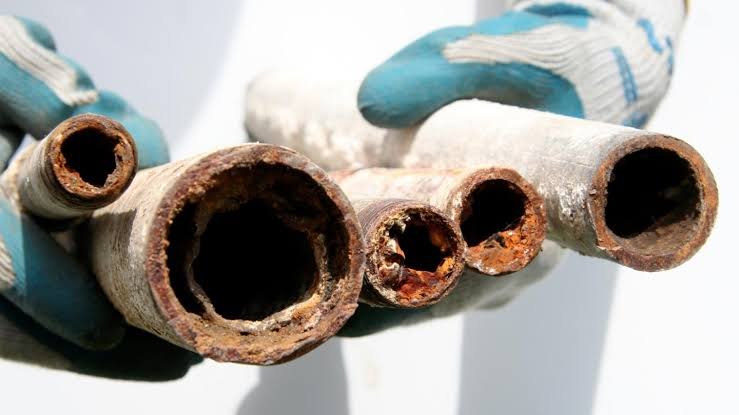
Water sources differ. Infrastructure ages differently. Environmental factors vary from region to region. These differences help explain why water quality can feel slightly different depending on where you live.
The water entering your home carries a story shaped by geography, engineering, and local resources.
Why Homeowners Are Becoming More Informed
One noticeable trend over the last decade is how much more informed homeowners have become.
People no longer rely solely on assumptions when it comes to water. They read annual water reports, research filtration options, and seek information about the quality of their local water supply.
Part of this shift comes from accessibility. Information is easier to find than ever before. Another part comes from changing priorities.
Families want confidence in the resources they use every day. They want to know what they’re drinking, cooking with, and providing to loved ones.
That desire for understanding has transformed water quality from a niche topic into a mainstream conversation.
The Importance of Reliable Drinking Water
For most households, the conversation begins with clean drinking water.
It’s a simple goal, yet an important one.
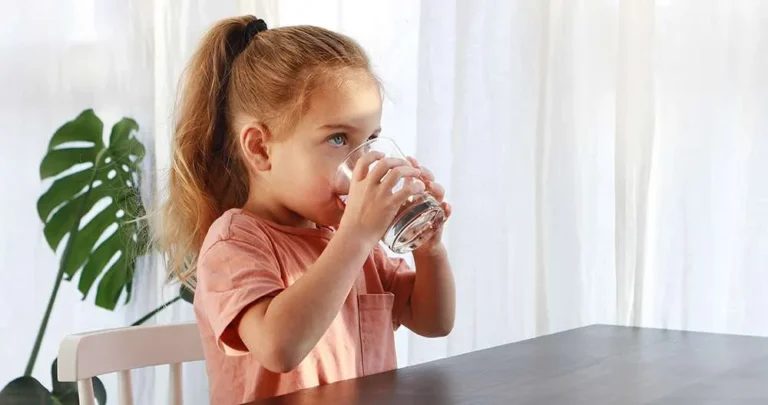
People want water they feel comfortable drinking directly from the tap. They want confidence when filling a child’s water bottle, preparing meals, or offering guests a glass of water.
What’s interesting is that homeowners often describe water quality in emotional terms rather than technical ones. They talk about trust, comfort, convenience, and peace of mind.
Those feelings matter.
Water isn’t just another household utility. It’s something we consume every day, often multiple times throughout the day. That makes confidence in your water supply incredibly valuable.
How Taste Influences Daily Habits
One aspect of water quality that often gets overlooked is taste.
If water tastes good, people tend to drink more of it. If it doesn’t, they often reach for alternatives without even realizing it. Bottled beverages, flavored drinks, and sugary options frequently become substitutes when tap water isn’t appealing.
This connection between taste and hydration is surprisingly important.
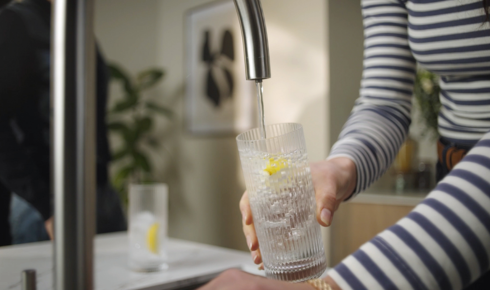
A glass of refreshing water encourages healthy habits in a way that complicated wellness plans sometimes can’t. It becomes effortless.
Many homeowners discover that improving water quality isn’t just about addressing specific concerns. It’s about making everyday hydration more enjoyable.
And honestly, that’s a benefit worth appreciating.
Modern Solutions for Modern Water Needs
Technology has changed nearly every part of our lives, and water treatment is no exception.
Today’s systems are more sophisticated, efficient, and adaptable than many people realize. Homeowners can choose solutions designed to address specific water conditions rather than relying on generic approaches.
One area that has seen significant growth is advanced filtration technology.
Modern filtration systems often use multiple stages to target different aspects of water quality. Depending on the system and local conditions, these technologies can help improve taste, reduce odors, and enhance the overall drinking experience.
What’s particularly appealing is the level of customization available. Homeowners can select solutions that align with their specific needs rather than investing in unnecessary equipment.
Water Quality Goes Beyond What You Drink
When people hear the phrase water quality, they often think exclusively about drinking water. In reality, its influence extends much further.
Water affects cooking, cleaning, bathing, laundry, and countless other daily activities. It plays a role in coffee preparation, ice production, dishwashing, and even pet care.
Think about how often water appears in your daily routine.
From the moment you wake up until the moment you go to bed, water supports dozens of tasks that make modern life possible. Because of that, improvements in water quality can create benefits that ripple throughout the entire household.
Sometimes the changes are obvious. Sometimes they’re subtle.
Either way, they tend to be appreciated.
The Value of Understanding Your Specific Water
One of the biggest mistakes homeowners make is assuming that all water challenges are the same.
They’re not.
Water conditions vary significantly depending on location, infrastructure, source water, and household plumbing. What works perfectly for one family may not be necessary for another.
That’s why water testing often serves as a valuable first step.
Testing provides actual information rather than assumptions. It allows homeowners to understand their specific water conditions and make decisions based on facts.
Good information creates better outcomes.
It’s a principle that applies to almost every aspect of homeownership, and water is no exception.
Small Improvements Often Matter Most
Not every meaningful improvement requires a major investment or a complete overhaul.
Sometimes the most noticeable benefits come from relatively small changes. Better-tasting water. More confidence in what you’re drinking. Greater convenience. Fewer trips to buy bottled water.
These aren’t dramatic transformations, but they improve daily life in practical ways.
And because water is used so frequently, even small improvements tend to be noticed again and again.
There’s something satisfying about solving a problem you encounter every day.
Final Thoughts
Water is one of the most important resources in any home, yet it’s often one of the least appreciated. We rely on it constantly, but rarely stop to consider its journey, its quality, or its impact on daily life.
As homeowners become more informed, they’re discovering that understanding water isn’t about fear or uncertainty. It’s about making thoughtful decisions that support comfort, convenience, and confidence.
Whether you’re interested in better taste, improved filtration, or simply learning more about your local water supply, the first step is paying attention.
Because when it comes to something you use every single day, a little knowledge can go a long way. And in many cases, that knowledge leads to a better experience every time you turn on the tap.