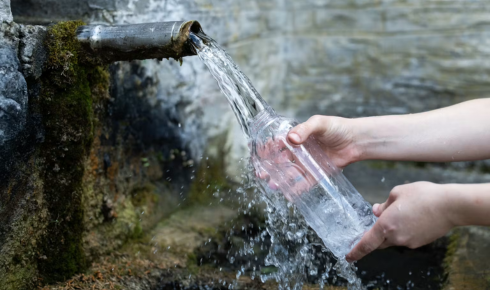
There is a small moment that says a lot about your home’s water. You fill a glass from the tap, take a sip, and either think nothing of it — or you pause. Maybe it tastes a little flat. Maybe there is a faint chlorine edge, a metallic note, or something earthy that should not really be there. It is not always dramatic. Sometimes it is just “off” enough to make you reach for bottled water instead.
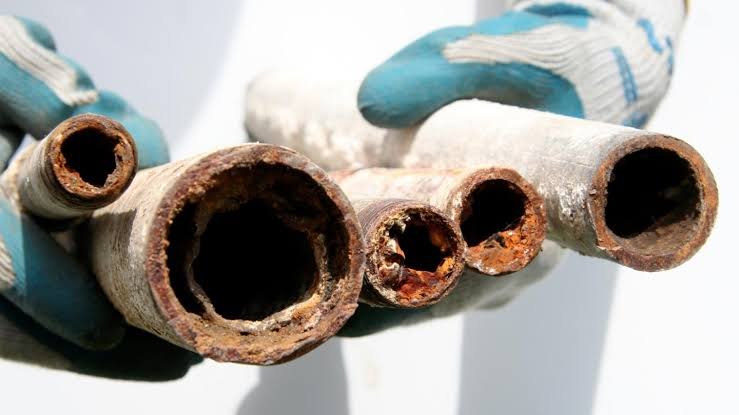
That reaction is more common than people admit. Water can look perfectly clear and still taste unpleasant. It can pass through treatment facilities, pipes, fixtures, and appliances before it reaches your glass. Along the way, it may pick up minerals, sediment, chlorine taste, or odours from plumbing. None of this means your water is automatically unsafe, but it does mean your tap may not be giving you the fresh, clean experience you expect.
Taste Is Often the First Clue
Most homeowners notice taste before they notice anything else. They may not know the technical cause, but they know when coffee tastes dull or tea has a strange aftertaste. Pasta water smells different. Ice cubes make drinks taste weird. Children complain, guests quietly choose bottled water, and the fridge filter gets blamed for everything.
The search for better tasting water usually starts with these little daily annoyances. It is not about being fussy. Water is part of almost every routine in the house — drinking, cooking, rinsing vegetables, filling pet bowls, making soup, brewing coffee. If the water tastes wrong, those routines feel less pleasant.
Sometimes the issue is chlorine used in municipal treatment. Sometimes it is minerals from the source water. In older homes, plumbing may add a metallic taste. With well water, natural elements underground can influence flavour. The point is simple: taste has a cause, and that cause can often be identified.
Clear Water Does Not Tell the Whole Story
A glass of water can look clean and still contain things you may want reduced. That is one reason appearance alone is not a reliable guide. Cloudiness, staining, and odour are obvious warning signs, but some issues are invisible.
This is where water quality becomes more than a phrase on a test report. It affects how water tastes, smells, feels, and performs around the home. It may influence appliance life, fixture buildup, laundry results, and even how your skin feels after showering. Good water is not just safe enough to drink. It is comfortable to use every day.
The quality of your water depends on several things: source, local geology, treatment methods, plumbing age, water heater condition, and whether your home uses a private well or public supply. Two houses on the same street can have surprisingly different water experiences, especially if one has older pipes or a different filtration setup.
The Everyday Problems People Learn to Live With
Many water problems become part of the background. White scale on faucets. Spots on glassware. A slightly odd smell when the tap first runs. Dry-feeling skin after showers. Soap that refuses to lather properly. Laundry that comes out stiff even with fabric softener.
People adjust. They buy bottled water. They scrub fixtures more often. They replace showerheads. They blame the dishwasher. But after a while, these workarounds get tiring. They also do not solve the reason the problem is happening.
Hard water is a classic example. It may not taste terrible, but it can leave mineral deposits throughout the home. Chlorine may help disinfect public water, but it can affect taste and smell. Sediment may not always be harmful, yet it can clog fixtures and make water look less appealing. Small issues add up, and the home starts working harder than it needs to.
Why Filtration Should Be Matched to the Problem
Not all filters do the same job. This is where many homeowners get frustrated. A pitcher filter might improve taste a little but do nothing for shower water. A fridge filter may help ice and drinking water but leave the rest of the home untouched. A softener may handle hardness, but it is not designed for every contaminant.
For real contaminant reduction, the system has to match what is actually in the water. That may mean carbon filtration for taste and certain chemicals, sediment filtration for particles, reverse osmosis for specific drinking water concerns, or a combination setup for homes with several issues at once.
Guessing can be expensive. A proper water test gives you a clearer starting point. It can show hardness, chlorine, iron, manganese, pH, total dissolved solids, bacteria, or other concerns depending on the test. Once you know the facts, choosing treatment becomes less confusing.
Well Water Needs a Closer Look
Homes with private wells need extra attention because the water is not monitored in the same way as municipal supplies. A well can produce excellent water, but it can also change over time. Heavy rain, drought, nearby construction, flooding, agriculture, or natural underground shifts may affect what enters the supply.
Regular testing is a practical habit, not an overreaction. If the water suddenly tastes different, smells odd, leaves stains, or causes buildup, it is worth checking. Even if the water seems fine, periodic testing gives peace of mind.
Well owners should also remember that one treatment system may not solve everything. A home might need sediment filtration, softening, disinfection, or drinking water treatment depending on the results. The best solution is usually specific, not generic.
Small Improvements Make a Big Difference
Better water does not always feel dramatic right away. Often, it shows up in quiet ways. Coffee tastes cleaner. Ice cubes stop ruining drinks. Soup has a fresher flavour. Glasses come out clearer. The shower feels less harsh. You stop buying so much bottled water because the tap finally feels trustworthy again.
These are simple comforts, but they matter. Home life is made of repeated moments, and water is part of most of them. When the water improves, the whole routine feels smoother.
A Sensible Way to Start
The best first step is to pay attention. Notice taste, smell, stains, scale, cloudy water, or changes in how soap behaves. Then test the water instead of guessing. After that, choose filtration or treatment based on the results.
Good water should not be complicated. It should taste clean, work well in the home, and feel reliable every time you turn on the tap. Once you understand what is in your water and how to treat it properly, that ordinary glass from the kitchen sink becomes something simple again — fresh, easy, and worth trusting.