Water is one of those business essentials that quietly keeps everything moving. It fills coffee machines, feeds ice makers, runs dishwashers, supports cleaning routines, helps protect boilers and laundry equipment, and gives employees or customers something decent to drink. When the water is clean and consistent, nobody really talks about it. But when it tastes strange, leaves stains, clogs equipment, or creates scale, it becomes everyone’s problem pretty quickly.
For many businesses, water quality is not just a comfort issue. It can affect daily operations, equipment life, customer experience, and even the small details that shape how professional a place feels. A cloudy glass, bitter coffee, stained restroom fixture, or slow dishwasher cycle may not seem like a big deal on its own. But in a busy workplace, little water problems repeat themselves all day.
That’s why commercial water treatment should never be treated as guesswork. The right system depends on the building, the water source, the type of business, and how much water is used every day.
Related storyWhy a Water Softener Can Make Everyday Home Life Easier
Why Business Water Needs Are Different
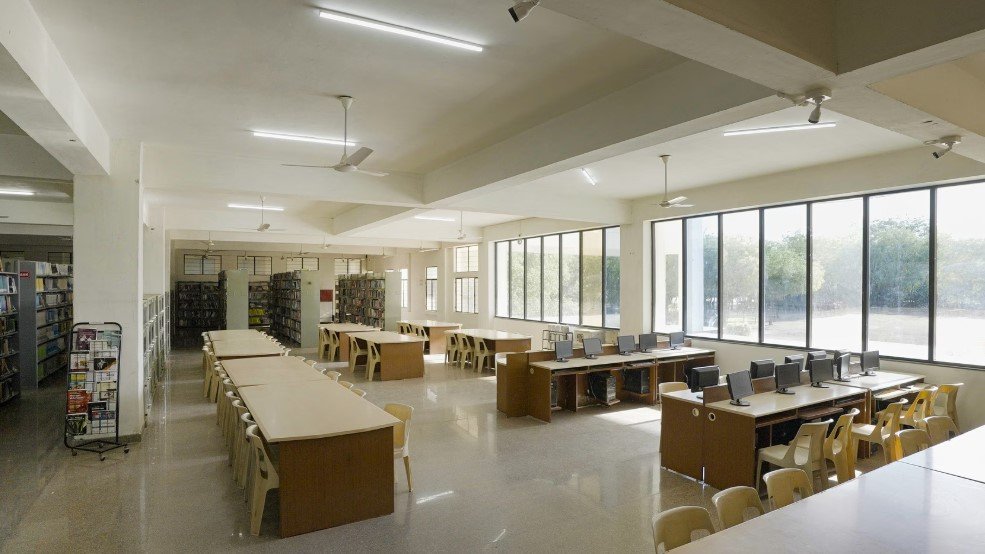
A home and a commercial property may deal with similar water problems, but the scale is very different. A family kitchen can tolerate a small inconvenience now and then. A restaurant, hotel, school, salon, gym, clinic, or office does not have that luxury. Water problems can affect staff, customers, appliances, cleaning, and service quality.
A café may need better water for coffee and espresso machines. A hotel may need treatment that protects many showers and fixtures. A laundromat may care most about mineral buildup and detergent performance. An office may simply want drinking water that people actually enjoy.
The first step is usually water testing. It helps identify hardness, sediment, chlorine taste, iron, odor, dissolved solids, or other issues. Once the problem is clear, the solution becomes much easier to plan.
Related storyChoosing a Whole-Building Water Filtration System That Fits Your Home
Hard Water Can Be Expensive Over Time
Hard water is one of the most common issues businesses face. It contains minerals like calcium and magnesium, which can leave scale inside pipes, appliances, heaters, dishwashers, and fixtures. At first, the signs may look minor. A little white buildup here, some spotting there. But over time, scale can make equipment work harder and cleaning more frustrating.
This is where commercial water softeners can be a practical investment. They help reduce hardness minerals before they move through the property, which may support better equipment performance, cleaner fixtures, softer laundry, and fewer scale-related headaches.
For businesses that rely heavily on hot water or water-using equipment, softening can make a noticeable difference. It is not glamorous, but it can save a lot of irritation in the long run.
Drinking Water Quality Matters Too
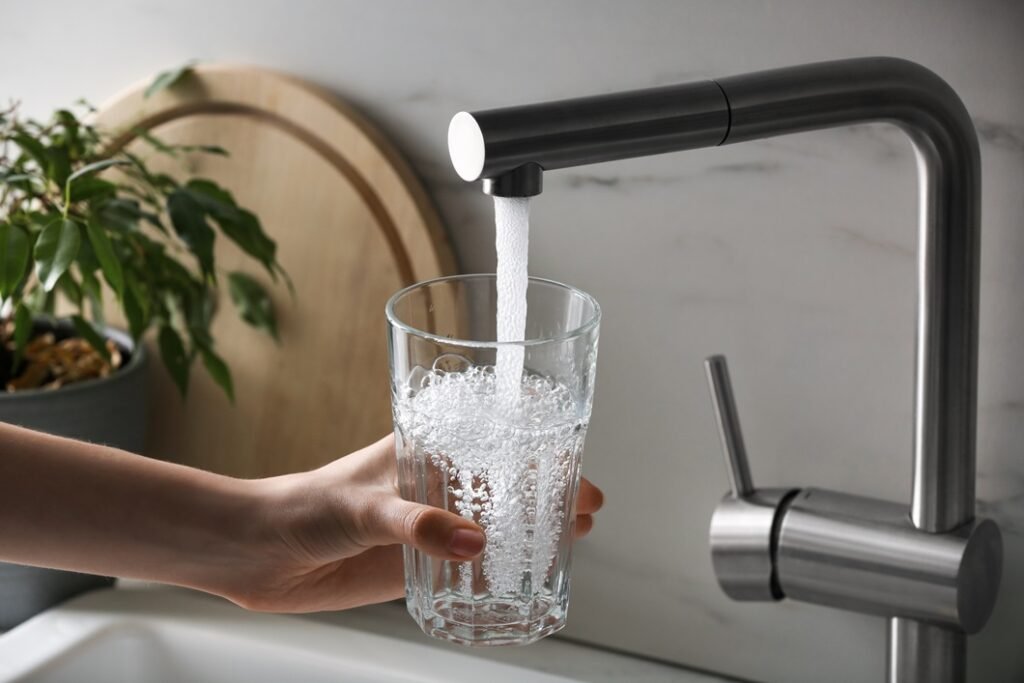
Not every water issue affects the whole building. Sometimes the main concern is taste, smell, or confidence at the drinking tap. Employees may bring bottled water because they dislike the office water. Customers may notice odd-tasting ice or beverages. Coffee may taste dull no matter how good the beans are.
Related storyHow Proper Water Treatment Installation Can Improve Your Home’s Water Quality
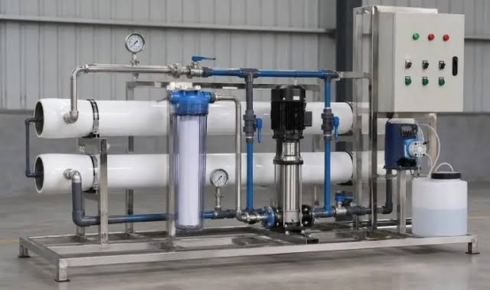
For these situations, reverse osmosis systems can be useful because they are designed to reduce many dissolved impurities and improve drinking water quality. They are often used for beverage stations, break rooms, kitchen prep areas, and places where clean-tasting water matters.
Of course, reverse osmosis is not automatically the answer for every business. It works best when chosen for the right reason and sized correctly for demand. A small under-counter system may suit an office, while a larger commercial setup may be needed for restaurants or food service.
Filtration Before the Big Problems Begin
Sometimes water problems come from particles, chlorine, odor, or general taste concerns. Sediment may come from old pipes, well water, municipal line work, or natural source conditions. Chlorine may be present because of municipal treatment, but it can still affect taste and smell.
That is why sediment and carbon filtration is often part of a smart commercial water treatment plan. Sediment filters help capture particles, while carbon filtration can help improve taste and reduce certain odors. Together, they can make water feel cleaner and protect downstream equipment from unnecessary strain.
This kind of filtration may be used alone or as a pre-treatment step before softeners, reverse osmosis, or other systems. A well-planned setup is usually layered, not random.
Related storyChoosing the Right Pump for Reliable Water Flow at Home
Equipment Protection Is a Business Issue
Water-using equipment is expensive, and downtime is annoying. Ice machines, coffee brewers, dishwashers, boilers, laundry machines, water heaters, and beverage dispensers all depend on consistent water. If the incoming water is full of minerals, particles, or unpleasant tastes, the equipment may suffer.
For a restaurant, one broken ice machine can create chaos during a busy dinner rush. For a hotel, mineral stains in bathrooms can make rooms look poorly maintained. For an office, bad drinking water can become a daily complaint.
Good water treatment does not remove the need for normal service, but it can reduce avoidable stress on equipment. That alone makes it worth considering seriously.
Related storyWhy Better Water Management Keeps Businesses Running Smoothly
Maintenance Keeps the System Honest
Installing a commercial water system is only the beginning. Filters need replacement. Softener salt needs refilling. Membranes wear out. Valves, tanks, and pressure settings should be checked from time to time. A neglected system may still look fine from the outside while performance slowly drops.
A proper maintenance schedule keeps things predictable. Instead of waiting for complaints or equipment issues, businesses can stay ahead of problems. This is especially useful for managers who already have enough to deal with.
The best service providers explain maintenance clearly. No confusing jargon, no vague promises. Just honest guidance on what needs to be done and when.
Choosing the Right System for Long-Term Value
Commercial water treatment is not about buying the biggest system available. It is about matching the right technology to the actual water problem. Testing, usage volume, plumbing layout, equipment needs, and business goals all matter.
A good solution should improve daily operations, protect equipment, support better taste, and reduce recurring frustrations. It should also be practical to maintain. After all, a system that is too complicated or poorly supported can become another problem instead of a solution.
In the end, better water is a quiet business advantage. Customers may not always notice the system behind the wall, but they notice cleaner glasses, better coffee, clear ice, fresh drinking water, and well-kept fixtures. Staff notice too.
Good water helps a business run smoother. And sometimes, the smartest improvements are the ones working quietly in the background every single day.