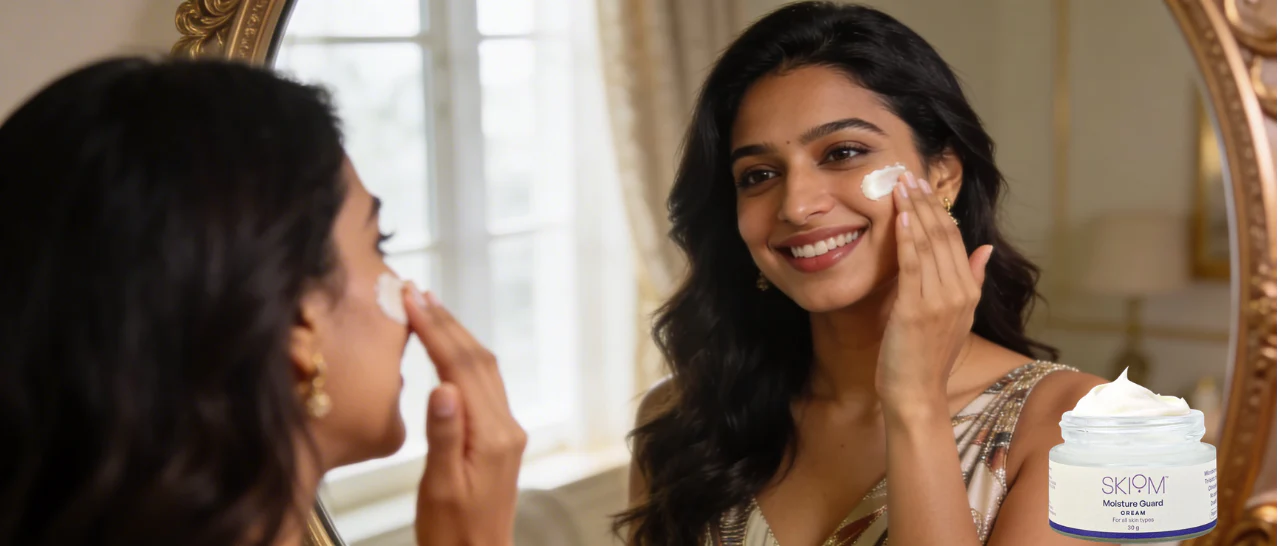
Skincare used to be simple in a very “clean and clear” kind of way—strip away oil, fight bacteria, chase brightness. But somewhere along the line, the conversation shifted. Quietly at first, then almost everywhere. Now, instead of asking “how do I remove everything?” people are asking “what should I be protecting?”
That subtle shift says a lot about where beauty is headed. And honestly, it feels a bit more respectful toward the skin itself.
The Skin Isn’t Just Skin Anymore (At Least Not in the Way We Thought)
If you zoom in far enough, human skin isn’t just a surface—it’s a living ecosystem. Bacteria, fungi, and microscopic organisms all coexist there in a kind of delicate balance. For years, skincare products didn’t really care about that balance. Strong cleansers, aggressive exfoliants, alcohol-heavy toners… they all did their job, but not always gently.
Related storyBreathing Cleaner in a Dirty City: How Scalp Care Became Part of Urban Wellness
Now we know better. Or at least, we’re trying to.
There’s growing awareness that disrupting the skin barrier too often can lead to irritation, sensitivity, and even long-term imbalance. And that’s where this whole microbiome conversation really begins—not as a trend, but as a correction.
From “Stripping Clean” to “Supporting Balance”
Something interesting is happening in beauty aisles and online stores. The language is changing. Words like “gentle ecosystem support,” “barrier repair,” and “prebiotic-rich” are becoming more common than “deep cleanse” or “oil control.”
It’s not just marketing fluff either. Formulators are actually rethinking how products interact with the skin’s natural environment.
Related storyCan an App Really Know Your Skin? The Quiet Rise of AI Skincare Advice
Instead of killing everything on the surface, newer formulations aim to support the good bacteria while keeping harmful imbalances in check. That’s a much more nuanced approach, and honestly, a more realistic one too.
At some point, skincare stopped being about domination and started becoming about cooperation.
Why Everyone Suddenly Cares About the Microbiome
It didn’t happen overnight. A mix of dermatology research, social media education, and consumer frustration pushed things forward.
People began noticing that over-cleansing wasn’t fixing acne. That harsh routines were sometimes making skin worse, not better. And that “glow” didn’t come from stripping skin—it came from balance.
This is where things get interesting from a product innovation perspective. Brands started investing heavily in research around probiotics, prebiotics, and postbiotics in skincare. Not in a gimmicky way, but as a functional layer in formulation science.
And right in the middle of this shift, one phrase started showing up repeatedly in research papers, product descriptions, and dermatology discussions: Microbiome-friendly skincare formulations and rising demand.
It’s not just a buzzword—it’s basically shorthand for an entire industry pivot.
The Science Behind the Buzz (Without Getting Too Technical)
Let’s keep it simple. Your skin microbiome is like a small city. Different organisms have different roles. Some protect, some regulate inflammation, and some just exist quietly without causing trouble.
When that balance is disrupted—by harsh soaps, environmental stress, or over-treatment—the “city” becomes unstable. That’s when irritation, breakouts, and sensitivity tend to show up.
Microbiome-focused skincare tries to avoid that disruption. Instead of wiping everything out, it aims to feed and support the beneficial microbes so they can do their job properly.
Think of it less like cleaning a kitchen with bleach every hour, and more like maintaining a healthy cooking space where everything has its place.
Consumers Are Getting More Selective (And a Bit Smarter Too)
One noticeable change in the market is how informed buyers have become. Ingredients that used to sound exotic or scientific are now being researched by everyday consumers before purchase.
People ask questions like:
- Does this disrupt my skin barrier?
- Is this too harsh for daily use?
- Will this affect my skin microbiome long-term?
That level of curiosity wasn’t common a decade ago. But now it’s almost expected.
And brands that can’t answer those questions clearly? They’re slowly being filtered out of consideration.
Not All “Gentle” Products Are Actually Gentle
Here’s where things get a little messy. Just because a product is labeled “microbiome-friendly” doesn’t automatically mean it is. The term itself isn’t tightly regulated, which leaves room for creative marketing.
Some products genuinely use research-backed ingredients like fermented extracts, oat-based compounds, or prebiotic sugars. Others… just borrow the language because it sells.
So consumers are learning to look beyond the label and focus more on formulation logic rather than branding claims. It’s a slow learning curve, but it’s happening.
Where This Trend Is Quietly Heading
Skincare rarely moves in straight lines. Trends evolve, merge, and sometimes fade into something else entirely. But the microbiome-focused movement feels different—it’s more foundational than fashionable.
We’re likely heading toward a future where supporting the skin ecosystem becomes standard practice rather than a niche category. Products might become less about targeting individual issues and more about maintaining overall balance.
And in that sense, skincare starts to feel less like “treatment” and more like maintenance of something already intelligent and self-regulating.
A More Respectful Approach to Skin
There’s something refreshing about this shift. It takes the pressure off chasing perfection and replaces it with something more forgiving—consistency, balance, and patience.
Skin doesn’t need to be controlled into submission. It just needs a bit of understanding.
And maybe that’s the real evolution happening right now in beauty—not more products, not more steps, but a better relationship with what our skin actually is.