There’s a quiet kind of comfort in knowing the hot water will simply be there when you need it. No waiting around. No planning showers like a family schedule. No sudden cold surprise halfway through rinsing shampoo from your hair. It’s one of those household things we don’t praise when it works, but we complain about immediately when it doesn’t.
Older water heaters did their job, of course. Many still do. But homes have changed. Families use water differently now. People want better efficiency, smarter design, less waste, and systems that don’t feel like they belong to another era. A water heater is no longer just a tank in the corner. It’s part of the way a home functions.
And honestly, when it works well, life just feels smoother.
The Growing Need for Dependable Hot Water
Modern households ask a lot from their plumbing systems. Someone is showering while the dishwasher runs. Laundry is going. A guest is washing hands in the bathroom. In bigger families, mornings can become a full production.
Related storyChoosing the Right Pump for Reliable Water Flow at Home
That’s why continuous hot water has become such an attractive feature for many homeowners. It removes the old worry of “Who used all the hot water?” and gives the home a steadier, more reliable flow of comfort. This is especially useful for busy households, large families, or anyone who simply doesn’t want their daily routine interrupted by a limited supply.
Of course, the right system still matters. Not every unit can serve every home properly. Size, fuel type, flow rate, and installation quality all affect performance. But when the system is matched correctly, the difference is easy to feel.
Why Traditional Setups Can Fall Short
Traditional tank water heaters store a fixed amount of hot water. Once that supply is used, the system needs time to heat more. For some homes, that’s fine. For others, it becomes a daily annoyance.
Think of a house with teenagers, guests, or back-to-back showers. The first person gets a nice hot shower. The second person gets warm water. The third person gets a character-building experience.
Related storyWhy a Water Softener Can Make Everyday Home Life Easier
Tanks also use energy to keep stored water hot, even when no one is using it. That standby heating can be wasteful, especially in homes where hot water demand comes in short bursts. This is one reason homeowners are looking at newer designs that respond more directly to actual use.
How Better Systems Fit Modern Homes
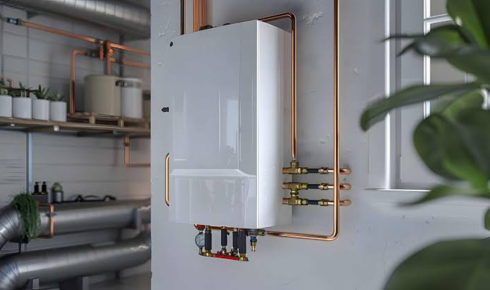
Today’s water heating options are more flexible than they used to be. Homeowners can choose from traditional tanks, tankless systems, hybrid models, point-of-use units, and more. Each has its place, depending on the property and lifestyle.
A well-planned system should support modern plumbing without creating unnecessary waste or inconvenience. That means proper sizing, safe connections, efficient water delivery, and equipment that suits the home’s actual demand. It’s not just about buying the most expensive model. It’s about choosing the right one.
For example, a smaller home may not need a large tank. A larger household may need a high-capacity solution or a properly sized tankless unit. A bathroom far from the main heater may benefit from a point-of-use setup. The best choice depends on real use, not guesswork.
Related storyChoosing a Whole-Building Water Filtration System That Fits Your Home
The Efficiency Side of Hot Water
Energy efficiency is not just a trend. It has become a practical concern for homeowners who are tired of rising utility bills. Water heating can account for a noticeable part of household energy use, so improving the system can make a difference over time.
Tankless systems heat water only when needed. Hybrid systems use heat pump technology to reduce energy consumption. Newer tank models often have better insulation and smarter controls than older units. Even simple maintenance can help a heater run more efficiently.
Sediment buildup, for instance, can make a water heater work harder. Hard water minerals settle inside the tank or system and reduce performance. Flushing, inspections, and water treatment may help protect the equipment.
Related storyWhy Investing in Better Water Quality Can Change Everyday Life at Home
Comfort Is More Than Temperature
Hot water is not only about heat. It affects the feel of the home. A strong shower after a long day. Clean dishes without waiting. Laundry that fits into your schedule instead of slowing it down. These small things matter.
When hot water is inconsistent, the whole house feels slightly inconvenient. You start adjusting routines around the system. You wait between showers. You avoid running appliances at the same time. You get used to limitations that really shouldn’t be there.
A good water heating setup removes those small irritations. It lets the home work naturally.
Related storyChoosing the Right Drinking Water Solution for Your Home or Business
Why Installation Quality Matters
Even the best water heater can disappoint if it is poorly installed. Water heating involves plumbing, gas or electricity, pressure, venting, drainage, and safety controls. This is not an area where shortcuts are helpful.
Professional installation helps ensure the system is safe, efficient, and properly sized. It also reduces the risk of leaks, pressure problems, poor performance, or code issues. A technician can look at the bigger picture — household demand, pipe layout, water quality, available space, and future needs.
That kind of planning can save money and frustration later.
Built to Last With the Right Care
A water heater is an investment, and homeowners naturally want it to last. The system’s long lifespan depends on more than the brand name on the unit. Water quality, maintenance, installation, usage, and local conditions all play a role.
Regular inspections can catch early problems. Flushing can reduce sediment. Checking valves and connections can prevent small leaks from becoming expensive repairs. For tank systems, the anode rod may need attention because it helps protect the tank from corrosion.
No system lasts forever, but good care can stretch its useful life and keep performance more dependable.
Choosing a System That Matches Real Life
Before replacing or upgrading a water heater, homeowners should think honestly about how they use hot water. How many people live in the house? How many bathrooms are used daily? Do showers happen back-to-back? Is there a large tub? Are appliances running at the same time?
These questions matter. A system that works perfectly for one household may feel completely wrong in another. That’s why expert advice is valuable. It helps avoid buying too little capacity, too much capacity, or the wrong technology altogether.
A Practical Upgrade That Pays Off Quietly
A better water heating system may not be the flashiest home improvement, but it is one of the most useful. You feel it in the shower, in the kitchen, in the laundry room, and in the way the house runs day to day.
Reliable hot water makes a home feel calmer. More convenient. Less fussy. And when the system is efficient, properly installed, and well maintained, it can deliver comfort without constant worry.
That’s the real value. Not just hot water, but hot water that fits the way people actually live now.