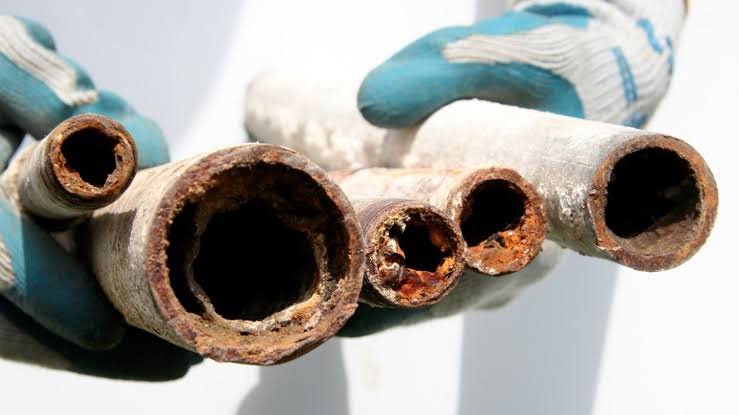
Water has a way of becoming part of the background. We use it to make morning coffee, wash dishes, clean our homes, run equipment, and keep businesses moving. Most days, we don’t give it much thought. Then the shower develops stubborn white stains, the drinking water tastes different, or a piece of equipment starts needing repairs more often than it should.
These small frustrations can point to a bigger question: are you getting the right water treatment for your needs?
Choosing a solution isn’t always as simple as buying a filter from a store. Different water sources bring different challenges, and the right equipment depends on water quality, daily usage, available space, and long-term maintenance. A good service provider helps make those decisions easier, without turning a practical problem into an unnecessarily complicated project.
Start by Understanding Your Water
Before considering equipment or service plans, take a closer look at the water you use every day. Does it leave mineral deposits on faucets? Is there an unusual smell? Does laundry feel stiff after washing, or does your business equipment need frequent descaling?
These signs can offer clues, but they don’t tell the whole story. Water may contain dissolved substances that cannot be identified by taste, smell, or appearance alone. Testing is therefore an important first step, particularly for private wells or properties experiencing sudden changes in water quality.
A basic assessment may examine hardness, pH, and sediment, while more specific concerns can call for additional testing. The appropriate tests depend on the water source and how the water will be used.
Once the results are available, treatment choices become easier to evaluate. A softener may help with excessive hardness, while sediment filtration can capture suspended particles. Activated carbon can improve certain tastes and odors, and reverse osmosis may reduce many dissolved substances when the system is designed for the contaminants in question.
The key is to solve the actual problem rather than purchase equipment based on impressive advertising.
Why Service Matters as Much as Equipment
Even an excellent water treatment system needs the right installation and ongoing care. Filters have limited capacity, membranes eventually require replacement, and softeners need appropriate servicing. Poor installation or neglected maintenance can affect performance, regardless of how much was spent on the equipment.
A dependable service provider should explain what a proposed system does, how it fits your water conditions, and what you can expect to pay for upkeep. You should also know when replacement parts are needed and whom to contact if performance changes.
Some providers offer no-cost deluxe service packages as part of a promotion or selected purchase arrangement. Such offers can be attractive, especially when they include useful services such as an initial assessment, scheduled inspections, or maintenance support. However, the details matter more than the label.
Before accepting a package, check whether service visits, labor, replacement filters, and emergency repairs are included. Ask whether there is a contract period, a recurring fee after the introductory offer, or a limit on the number of visits. A package described as free may cover only selected services, with other costs billed separately.
Clear terms help you compare offers fairly and avoid surprises later. The best value comes from support that genuinely helps keep your system working, not simply from a long list of advertised benefits.
A Practical Approach to Choosing the Right Solution
Water treatment can seem technical at first, but the decision-making process doesn’t have to be overwhelming. A useful approach begins with a few straightforward questions.
First, identify the main concern. Is the problem hard water, unpleasant taste, visible sediment, or a specific contaminant identified through testing? Next, consider the amount of water your household or business uses. A small under-sink filter may be sufficient for drinking and cooking, while a property with widespread scale problems may benefit from a properly sized whole-house softener.
Installation requirements deserve attention, too. Some systems fit neatly beneath a kitchen sink, while others need more space, drainage, electrical access, or changes to existing plumbing. If you’re renting a property or working within a commercial building, check any installation restrictions before making a purchase.
A transparent provider should also discuss limitations. A softener doesn’t disinfect contaminated water, and a standard carbon filter shouldn’t be assumed to remove every harmful substance. Choosing equipment with independently verified performance claims helps ensure that the treatment matches the intended purpose.
This thoughtful, step-by-step approach avoids unnecessary spending and gives you a clearer picture of what reliable water treatment actually involves.
Our Process: From Testing to Better Water
A well-organized service experience should feel straightforward. You explain the problem, receive a clear assessment, review the options, and decide which solution suits your property and budget. There shouldn’t be pressure to purchase the most expensive system before anyone has established what your water needs.
When evaluating a provider’s our process– the infinite water way, look beyond the name and focus on the actual steps involved. Does the company explain its testing methods? Are recommendations based on your results? Will installation be handled by qualified personnel? Is there a written maintenance schedule?
These practical details are useful because they turn a vague promise into something you can evaluate. You should understand what is being installed, what the equipment is expected to improve, and how its performance will be maintained.
After installation, ask for guidance on filter replacement, routine checks, and warning signs that deserve attention. Keep copies of test results, product documentation, and service records. These may seem like small administrative tasks, but they make future maintenance much easier.
A good service process doesn’t end when the technician leaves. It gives you enough information to manage the system confidently and recognize when professional help is needed.
Water Challenges in Rural and Urban Areas
Where you live can influence the kind of water treatment you need. Urban properties may receive municipal water that has already undergone treatment, but distribution systems, building plumbing, storage tanks, and local conditions can still affect water quality. Some households may primarily need help with hardness, taste, or sediment, while others require testing for a more specific concern.
Rural properties can face a different set of challenges. Private wells and other independent sources may vary considerably in mineral content and microbiological quality. Seasonal changes, nearby land use, and groundwater conditions can influence the water over time. Regular testing is particularly important because a clear glass of water doesn’t necessarily indicate that the supply is safe.
Providers with rural and urban expertise should recognize these differences instead of applying the same recommendation everywhere. A rural property using well water may require a more comprehensive assessment than an urban apartment with a clearly defined hardness problem.
The solution should reflect the source, intended use, test results, and practical realities of the property. For well owners, installing treatment equipment doesn’t remove the need for periodic testing. Likewise, urban residents should investigate unexpected changes instead of assuming municipal treatment guarantees that every tap will deliver identical water quality.
Understanding the local context helps create a treatment plan that is both appropriate and manageable.
Think About Long-Term Costs, Not Just the First Bill
A water treatment system is an investment, and its real cost extends beyond the initial purchase. Replacement filters, membranes, salt, electricity, water usage, and professional servicing can all add to the total.
When comparing systems, ask for an estimate of routine maintenance expenses and the expected replacement schedule. Check whether spare parts are readily available and whether the manufacturer provides clear operating instructions. For commercial users, also consider the potential cost of downtime if the system fails.
The cheapest option isn’t always the least expensive to own. At the same time, a sophisticated system with features you don’t need may not offer meaningful value. A balanced choice considers performance, reliability, maintenance, and the amount of water being treated.
Make Better Water a Lasting Improvement
Water treatment works best when it begins with understanding rather than guesswork. Test the water where appropriate, identify the problem, compare suitable technologies, and choose a provider willing to explain the details clearly.
Whether you’re improving drinking water at home or managing a system for a business, ongoing care is part of the process. Regular maintenance, sensible testing, and honest communication can help protect your investment and reduce avoidable frustrations.
There is no single system that suits every property, and that’s perfectly fine. What matters is finding a solution that fits your water, your circumstances, and your budget. With the right information and a little planning, better water can become a dependable part of everyday life rather than another problem waiting to be fixed.