Water Is Part of Nearly Every Moment at Home
It’s funny how easily we overlook water. We notice when the internet goes down or the power flickers, but the water flowing through our taps usually earns little more than a passing thought. We drink it, cook with it, shower in it, wash clothes, fill the coffee pot, rinse vegetables, and repeat the cycle every day without much reflection.
Yet water quietly influences so many parts of our homes. Its quality affects not only how things taste or smell, but also how well appliances perform, how clean dishes look, and even how much time we spend scrubbing bathroom fixtures.
The interesting part is that many homeowners don’t realize their water could be improved until they experience the difference firsthand. Better water isn’t always about fixing a major problem. Sometimes it’s simply about making everyday life feel a little smoother.
Understanding What’s Flowing Through Your Pipes
Water changes depending on where you live. Municipal treatment plants, private wells, underground geology, aging infrastructure, and seasonal conditions all influence what eventually reaches your faucet.
Some homes deal with hard water rich in calcium and magnesium. Others notice chlorine tastes, sediment, sulfur odors, or naturally occurring minerals that affect appearance and performance.
None of these automatically make water unsafe, but they can certainly change how it feels to live with it.
That’s why homeowners often experience completely different water-related issues even when living only a few miles apart.
The Quiet Cost of scale buildup
One of the most common signs of hard water is scale buildup , although many people simply think of it as “that white stuff” around faucets and showerheads.
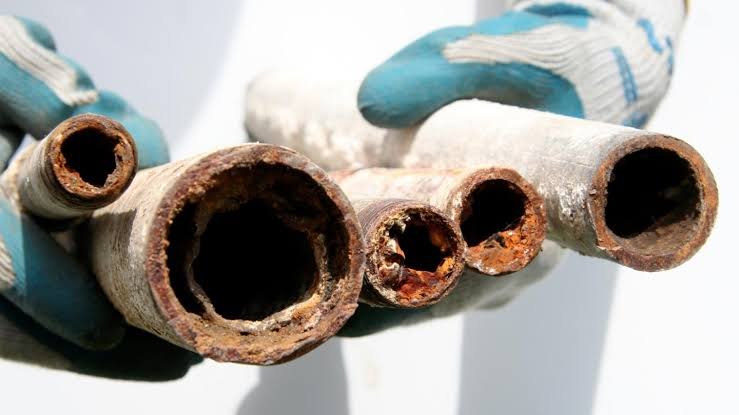
Those chalky deposits are formed when dissolved minerals remain behind after water evaporates. At first, they’re mostly cosmetic. Over time, however, mineral accumulation becomes much more than a cleaning nuisance.
Water heaters develop insulating layers of scale that force them to work harder. Pipes slowly narrow as minerals collect inside. Dishwashers, washing machines, coffee makers, and kettles all become less efficient because minerals settle onto heating elements and internal components.
The process happens gradually, making it difficult to notice until efficiency starts declining or repairs become necessary.
A little mineral residue today can quietly become a costly maintenance issue years later.
Why Better Water Isn’t Just About Drinking
When people think about improving household water, they often focus exclusively on drinking water.
That certainly matters.
But consider how often water touches your daily routine outside the kitchen sink.
Every shower.
Every load of laundry.
Every dishwasher cycle.
Every meal you prepare.
Every time you brush your teeth.
Because water is woven into nearly every household activity, improving its quality creates benefits throughout the entire home—not just inside a drinking glass.
It’s one of those upgrades that continues working long after installation without demanding constant attention.
Choosing the Right water filtration systems
Modern water filtration systems aren’t designed with a one-size-fits-all philosophy.
Instead, different technologies target different concerns.
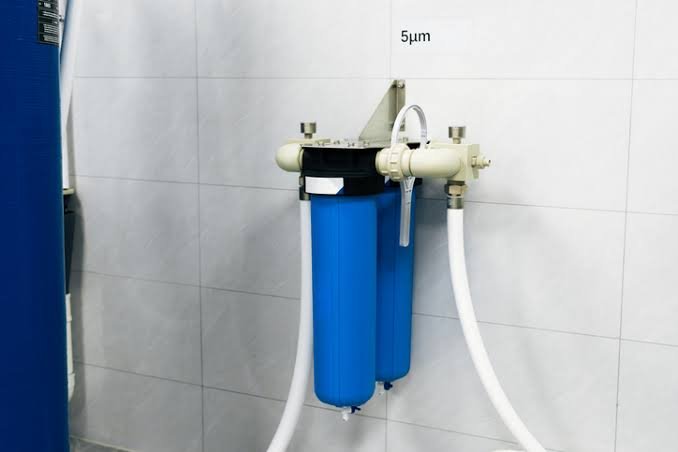
Some systems focus on reducing chlorine that affects taste and smell. Others remove sediment that causes cloudy water. Certain filters are designed to reduce heavy metals or specific contaminants, while whole-house filtration systems treat water before it reaches every faucet in the home.
That’s why professional water testing often comes first.
Rather than guessing, testing identifies exactly what’s present in your water, making it much easier to choose equipment that solves real problems instead of imagined ones.
The result is usually better performance, lower long-term costs, and greater confidence in your home’s water quality.
Small Daily Improvements Add Up
The biggest surprise for many homeowners isn’t one dramatic transformation.
It’s dozens of little improvements.
Soap rinses away more easily.
Shower doors stay cleaner longer.
Laundry feels softer.
Coffee tastes richer.
Ice cubes look clearer.
Bathroom fixtures require less scrubbing.
Individually, none of these changes seem life-changing.
Collectively, though, they create a home that simply feels easier to maintain.
Sometimes the value of better water isn’t measured in laboratory reports—it’s measured in everyday convenience.
More Than Just improved taste and odor
One of the first things people notice after upgrading their water treatment is improved taste and odor .
Coffee often tastes smoother.
Tea develops cleaner flavors.
Cold drinking water feels more refreshing.
Even cooking can benefit because water influences soups, pasta, rice, vegetables, and countless recipes in subtle ways.
Of course, taste is subjective. Everyone experiences flavors differently.
Still, reducing chlorine, sulfur, sediment, or other unwanted compounds often creates a noticeably cleaner drinking experience that encourages families to reach for tap water more often instead of relying on bottled alternatives.
For many households, that’s both convenient and environmentally responsible.
Protecting Appliances Without Thinking About It
Household appliances represent significant investments.
Water heaters.
Dishwashers.
Refrigerators.
Ice makers.
Washing machines.
When water quality is poor, these appliances often experience increased wear over time.
Mineral deposits reduce heating efficiency, clog internal passages, and shorten equipment lifespan.
While no treatment system eliminates every maintenance task, reducing unnecessary stress on appliances helps them perform more consistently and often extends their useful life.
Preventive care usually costs far less than unexpected replacements.
Why Testing Comes Before Treatment
Buying water treatment equipment without testing your water is a little like buying prescription glasses before visiting an eye doctor.
You might get lucky.
Or you might solve the wrong problem entirely.
Professional water testing evaluates hardness, pH balance, dissolved minerals, chlorine levels, sediment, iron, sulfur, and other important characteristics depending on your location.
Armed with accurate information, homeowners can choose treatment solutions based on facts rather than assumptions.
Every home has unique water conditions, which means personalized recommendations almost always outperform generic ones.
Better Water Creates a Better Home Experience
It’s easy to think of water as something purely functional.
Turn the faucet.
Fill the glass.
Move on.
But water quietly influences comfort, cleaning, cooking, appliance performance, and everyday routines more than most people realize.
When those small frustrations disappear—cloudy dishes, stubborn residue, unpleasant tastes, excessive scrubbing—you begin appreciating something that had always been there but rarely received much attention.
The best home improvements aren’t always the most visible.
Sometimes they’re the ones that quietly improve dozens of daily experiences without asking for recognition.
That’s exactly what better water does.
Whether your goal is protecting plumbing, enhancing drinking water, reducing maintenance, or simply creating a more comfortable living environment, understanding your home’s water is the first step toward making thoughtful, long-lasting improvements.
After all, good water doesn’t call attention to itself. It simply makes everything else work a little better, day after day.