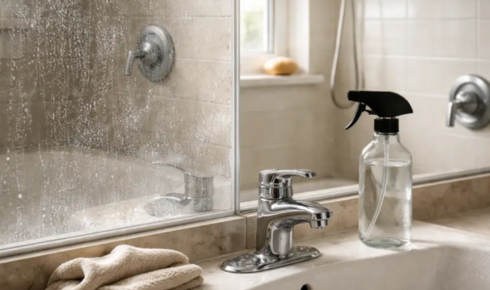
There is something mildly unfair about cleaning the bathroom, stepping back, and still seeing cloudy film on the shower glass. Or unloading the dishwasher and finding spots on glasses that are technically clean but don’t look clean at all. It makes the whole chore feel pointless, like the house is arguing back.
Many times, the problem is not how well someone cleans. It is the water.
Hard water carries minerals that leave residue behind after water dries. Over time, that residue shows up on faucets, dishes, tile, appliances, laundry, and even skin and hair. It is rarely dramatic at first. More often, it is just a steady collection of little annoyances that make home care harder than it needs to be.
Why Hard Water Leaves So Much Behind
Hard water usually contains calcium and magnesium. These minerals are naturally picked up as water moves through soil, rock, and underground sources. They are common, but when water enters the home, they can leave visible signs everywhere.
Related storyWhy a Water Softener Can Make Everyday Home Life Easier
One of the most frustrating signs is soap scum, that dull film that collects on shower walls, tubs, sinks, and glass. Soap reacts with hard water minerals, making it harder to rinse away cleanly. The result is residue that keeps coming back, even when you clean regularly.
That is why bathrooms in hard water homes often feel like they need extra scrubbing.
The Dishwasher Tells a Story Too
Hard water can be just as annoying in the kitchen. Glasses may come out cloudy. Plates may have faint residue. Silverware can look spotted. People often blame the dishwasher first, and sometimes the machine does need attention, but water hardness may be the real reason.
Softened water can help support cleaner dishes because detergent can work more effectively and minerals are less likely to dry on glassware and plates. It does not replace proper dishwasher care, of course, but it can make the whole process work better.
There is a small satisfaction in opening the dishwasher and seeing glasses that actually look clean. It’s not glamorous, but it matters.
Appliances Work Better with Better Water
Water heaters, dishwashers, washing machines, coffee makers, and ice makers all deal with water every day. When that water is full of hardness minerals, scale can build up inside parts you may never see. Over time, buildup can affect flow, heating efficiency, and performance.
Related storyWhy Investing in Better Water Can Change the Way Your Home Feels Every Day
Reducing hardness can support longer-lasting appliances by lowering the amount of mineral scale moving through them. No system can stop normal wear and tear, and appliances still need maintenance, but better water can reduce one common source of strain.
For homeowners, that makes softening less of a luxury and more of a practical home-care decision.
Showers Feel Different with Softer Water
Hard water does not just leave marks on surfaces. It changes how showers feel. Soap may not lather well. Shampoo may feel like it never fully rinses out. Skin can feel dry or tight afterward, and hair may feel dull or heavy.
Softened water often feels smoother. Soap spreads more easily, rinsing feels cleaner, and towels may feel softer after washing. Some people notice the change immediately. Others realize it slowly when the daily shower just feels less harsh.
Related storyChoosing a Whole-Building Water Filtration System That Fits Your Home
These little comfort improvements are part of the reason many homeowners decide to address hard water in the first place.
Laundry Can Be Another Clue
If towels feel stiff, colors look dull, or clothes do not feel fully fresh after washing, hard water may be involved. Minerals can interfere with detergent performance and leave residue in fabrics. Using more detergent is not always the answer. In fact, it can sometimes make rinsing harder.
With softened water, detergent can do its job more efficiently. Laundry may rinse better and feel softer without needing extra product. For families doing several loads a week, this can make a real difference.
Related storyThe Everyday Cost of Hard Water and Why It’s Worth Paying Attention To
It is one of those changes that feels small until you live with it for a while.
Softening and Filtration Are Not the Same
A water softener is designed mainly to reduce hardness minerals. It is not the same as a filter for taste, odor, chlorine, sediment, or drinking-water concerns. This distinction matters because homeowners sometimes expect one system to solve every water problem.
If the water smells like chlorine or tastes unpleasant, filtration may also be needed. If the biggest issue is scale, spots, soap performance, and dry-feeling skin, softening may be the better starting point.
Some homes need both. The right answer depends on testing the water and matching the system to the actual problem.
Related storyA Practical Guide to Reducing Scale, Stains, and Unpleasant Water Taste at Home
Testing Helps Avoid Guesswork
Hardness levels are not the same everywhere. Two homes in the same region can have different water conditions depending on source, plumbing, and local infrastructure. Guessing can lead to an undersized system or a solution that does not fully address the issue.
A water test can show hardness levels and may reveal other concerns as well. From there, the system can be sized properly for household use, flow rate, and water demand.
This is where good advice matters. Homeowners should not have to decode complicated terms or sit through pressure-heavy sales talk. They need clear information and a practical recommendation.
Maintenance Should Stay Simple
Salt-based softeners need salt. That part is simple, but it still needs attention. The brine tank should be checked regularly, and the system may need occasional service to make sure settings and regeneration cycles are working correctly.
When maintenance is explained clearly, the system becomes easy to live with. Homeowners should know what type of salt to use, how often to check it, and what signs suggest service is needed.
A softener should reduce chores, not create confusing new ones.
Final Thoughts
Hard water can make a home feel harder to clean, harder to maintain, and less comfortable than it should. It leaves residue, creates spots, affects laundry, strains appliances, and changes how showers feel.
A properly sized water softener can help reduce those everyday frustrations. The best approach starts with testing, clear guidance, and a system chosen for the home’s actual water conditions.
When the water improves, the change is practical and personal. The bathroom stays cleaner. Dishes look better. Laundry feels softer. Appliances face less mineral buildup. And day by day, the home simply feels easier to care for.