Water is easy to overlook when everything is going well. In a busy restaurant, café, hotel, or commercial kitchen, there are a hundred things demanding attention before anyone starts thinking about the water coming through the pipes.
But water is involved in more of the daily operation than you might expect.
It’s used for coffee, cooking, ice, cleaning, dishwashing, food preparation, and sometimes specialized equipment. When its quality changes, even slightly, the results can show up in places you wouldn’t immediately connect to water.
That’s why businesses that depend on reliable results need to pay attention to water chemistry. It isn’t about making the water complicated. It’s about keeping an important part of the operation predictable.
Water Is an Ingredient, Even When You Don’t Think of It That Way
In food and beverage businesses, water can make up a large part of what customers actually consume.
Think about coffee. The beans may be excellent, the grinder carefully calibrated, and the barista experienced. Yet if the water chemistry changes, the final cup can taste different.
The same goes for soups, sauces, beverages, ice, and other recipes. When recipes require consistent ingredients, water shouldn’t be treated as an afterthought.
Minerals and other characteristics in the water can influence flavor, extraction, and overall consistency. That’s why many professional food-service operations pay close attention to their water supply.
Hard Water Can Create Everyday Problems
Hard water contains minerals such as calcium and magnesium. These minerals aren’t necessarily a health concern at typical levels, but they can create practical headaches for businesses.
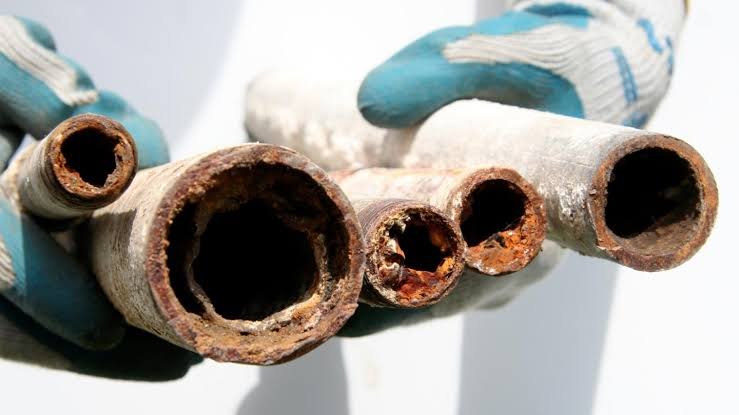
Scale may build up inside water heaters, coffee machines, dishwashers, boilers, and other equipment. Faucets and fixtures can develop deposits too.
At home, that might mean spending extra time cleaning a showerhead.
In a commercial kitchen, it can mean equipment maintenance, interruptions, and additional costs.
The more water-dependent equipment a business has, the more important it becomes to understand the hardness level of its supply.
Why Commercial Water Softeners Can Help
When hardness is a known issue, commercial water softeners can be used to reduce calcium and magnesium through ion exchange.
The right system needs to be sized according to actual water demand and operating conditions. A small restaurant and a large hotel aren’t going to have the same requirements.
Peak flow matters, too. A system that works beautifully during quiet hours may struggle if several pieces of equipment are drawing water simultaneously.
That’s why professional sizing is more than simply looking at the building’s square footage.
Water Quality Can Affect the Customer Experience
Customers don’t usually ask about your water-treatment equipment.
They don’t want to know what type of filtration media you’re using or how many gallons per minute your system can handle. They simply want their coffee to taste right, their food to be consistent, and their experience to be enjoyable.
In a competitive industry, small differences can matter.
Clients deserve a consistent experience every time they walk through the door. Water quality is only one part of that equation, of course, but it’s a part that’s easy to overlook because it works quietly behind the scenes.
When something goes wrong, though, people notice.
Coffee Shops Have a Particularly Strong Reason to Care
Coffee and water have a close relationship.
A cup of coffee is mostly water, which means water chemistry can influence extraction and flavor. Different levels of minerals can affect how coffee compounds are extracted from the grounds.
Too much mineral content can contribute to an unwanted taste profile, while water that’s extremely low in minerals can produce its own challenges.
There isn’t one perfect water profile for every coffee operation. The ideal conditions can depend on the coffee, equipment, brewing method, and desired flavor.
The important point is consistency.
Once a business finds a water profile that works, keeping it stable can make daily operations much easier.
Ice Quality Matters More Than You Might Expect
Ice is another place where water quality becomes surprisingly noticeable.
Ice made from water with an unpleasant taste or odor can affect beverages. Mineral-rich water may also contribute to deposits inside ice machines.
Customers might not identify the exact reason something tastes different. They’ll just know that the drink doesn’t seem quite right.
Regular ice-machine cleaning is still essential, but appropriate water treatment can help address water-quality issues that contribute to the problem.
Don’t Forget About Equipment
Commercial water equipment can be expensive, and replacing it isn’t usually part of anyone’s favorite budget conversation.
Hard-water scale can create additional maintenance demands for equipment that repeatedly heats or moves water.
Water treatment may help reduce certain scale-related concerns, depending on the water conditions and equipment involved.
But it’s important not to treat filtration or softening as a replacement for maintenance. Equipment still needs cleaning, inspection, and servicing according to the manufacturer’s recommendations.
Think of water treatment as another layer of protection, not a free pass to ignore the equipment.
Start With a Water Test
Before choosing treatment, find out what’s actually in the water.
A professional water test can provide information about hardness, pH, dissolved minerals, sediment, chlorine, iron, sulfur, and other characteristics.
This matters because different problems call for different solutions.
A water softener is designed primarily for hardness. A carbon filter can address certain taste and odor concerns. Reverse osmosis can reduce many dissolved substances. Other treatment technologies are available for more specific issues.
Without testing, you’re essentially guessing.
And guessing gets expensive surprisingly quickly.
Don’t Buy More Treatment Than You Need
Water-treatment systems can become complicated, especially when several technologies are combined.
It may sound impressive to have multiple treatment stages, but more equipment isn’t automatically better.
The right setup should address the actual water conditions and business requirements. Adding equipment that solves a problem you don’t have simply increases installation, maintenance, and replacement costs.
A good provider should be able to explain why each part of the system is there.
If nobody can give you a clear answer, that’s worth questioning.
Maintenance Is Part of the Investment
Commercial treatment systems need regular attention.
Softener media, filters, valves, tanks, and other components may require maintenance or replacement. Salt-based systems also need appropriate replenishment and monitoring.
Skipping routine service can reduce performance and create problems that could have been caught earlier.
Before installation, ask about maintenance intervals, replacement costs, expected equipment life, and service requirements. Those details are just as important as the initial purchase price.
Think Beyond the Installation Cost
When comparing systems, look at the long-term picture.
A cheaper system may have higher maintenance requirements. Another system may cost more initially but offer better capacity or operating efficiency for your particular application.
Businesses should consider water consumption, service costs, replacement parts, downtime, and equipment protection.
The cheapest quote isn’t always the cheapest solution over five or ten years.
Sometimes paying a little more upfront simply means fewer headaches later.
The Bottom Line
Water quality can influence far more than what’s in a customer’s glass.
It can affect recipes, beverages, ice, equipment, cleaning, maintenance, and the consistency of the overall customer experience. For businesses where repeatable results matter, understanding the water supply is a practical investment.
Start with testing. Identify the actual problem. Then choose treatment based on your water conditions and daily demand.
Whether the answer involves softening, filtration, reverse osmosis, or a combination of technologies, the goal should remain the same: reliable water that supports the business instead of creating another problem to manage.
Because when customers come back, they expect the same great experience they had last time. Water may be working quietly in the background, but sometimes the smallest background details are what keep the whole operation running smoothly.