Hard water has a funny way of becoming part of your routine. At first, it’s just a few spots on the shower door or a little white residue around the faucet. Then the laundry doesn’t seem as fresh, the sink needs constant cleaning, and the water heater starts collecting mineral deposits. Nothing feels urgent, but the little annoyances keep piling up.
The good news is that understanding hard water can help homeowners make practical decisions. Calcium and magnesium are naturally occurring minerals, and the right treatment can reduce many of the everyday problems associated with excessive hardness.
What Hard Water Does Inside a Home
Hard water isn’t necessarily dangerous simply because it contains minerals. The bigger issue for many households is what those minerals leave behind.
When water evaporates, calcium and magnesium can remain on surfaces as mineral deposits. Over time, those deposits may appear around faucets, showerheads, sinks, appliances, and plumbing components.
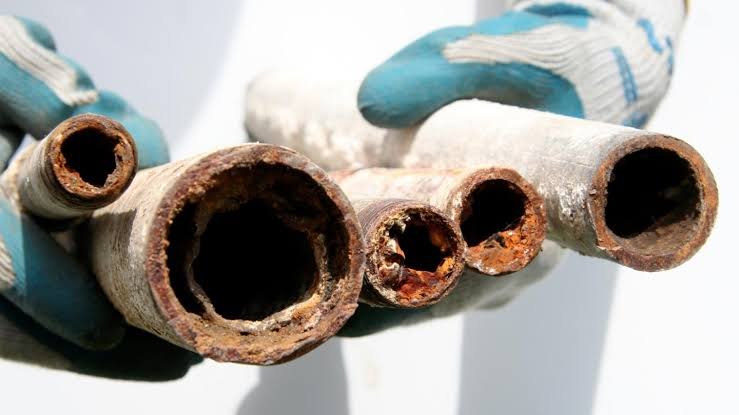
Inside pipes and water-using appliances, the same minerals can accumulate under the right conditions. That’s why water hardness is more than a cleaning inconvenience. If managed properly, treatment Prolongs the life of plumbing and fixtures by helping reduce mineral scale that can accumulate over time.
The actual impact depends on the hardness level, water temperature, plumbing materials, and how much water your household uses.
Your Laundry May Be Telling You Something
Hard water can also affect laundry in ways that aren’t immediately obvious. Clothes may come out of the washing machine clean but still look dull or feel less soft than expected.
Minerals in hard water can interact with detergents, making it more difficult for cleaning products to work as efficiently. Over time, fabrics may lose some of their brightness and freshness.
If you’re constantly dealing with Dingy Clothes, changing detergent isn’t necessarily the whole answer. Water hardness could be contributing to the problem.
Using the correct amount of detergent and choosing products designed for hard-water conditions may help. But when hardness is significant, treating the water itself can offer a more direct solution.
Why Skin Can Feel Different After a Shower
Your skin is in contact with water every day, so it’s understandable that water quality can influence how a shower feels.
Hard water minerals can interact with soaps and body washes, sometimes leaving behind residue. Some people describe their skin as feeling less clean, tight, or uncomfortable after bathing.
There are plenty of other factors involved, of course. Weather, hot showers, skincare products, humidity, and individual skin type can all play a role. Still, if you regularly experience Dry Itchy Skin along with noticeable hard-water deposits around your bathroom, it may be worth testing your water.
A water test can help separate a water-quality issue from other possible causes.
Appliances Don’t Get a Free Pass
Water heaters, washing machines, dishwashers, and other appliances all depend on the home’s water supply. When water contains substantial amounts of hardness minerals, scale can form inside equipment, particularly where water is heated.
Water heaters are especially worth mentioning. Heating water can encourage mineral deposits to settle on internal components. A significant amount of buildup may eventually affect performance and increase maintenance needs.
This doesn’t mean every home with hard water will experience appliance problems. The severity varies greatly. But reducing excessive hardness can be one way to support the long-term condition of equipment.
Those White Marks Are More Than a Cleaning Problem
If your shower glass always looks cloudy shortly after cleaning, or the faucet develops a white crust around its base, you’re probably seeing mineral deposits.
These marks can be frustrating because ordinary soap and water may not remove them effectively. Homeowners often end up cleaning the same surfaces again and again.
Regular wiping can help prevent deposits from becoming thick. A suitable descaling cleaner may also work on compatible surfaces. However, it’s important to avoid harsh products on delicate finishes or natural stone.
If deposits keep returning, the underlying water hardness may be the real issue.
How Water Softeners Help
Water softeners are designed specifically to reduce calcium and magnesium hardness. Traditional ion-exchange systems use resin beads that attract hardness minerals as water passes through the tank.
Eventually, the resin needs to be regenerated, usually with a salt solution. Modern systems can include controls that adjust regeneration according to household water usage, which may improve efficiency.
Not every household needs a softener, though. If your water hardness is low, another filtration method—or no treatment at all—may be more appropriate.
That’s why testing should come before shopping.
Protecting Plumbing Starts With Understanding Your Water
Plumbing is easy to ignore when everything is working properly. Pipes are hidden behind walls, under floors, and inside cabinets, so homeowners don’t usually think about them until something goes wrong.
Hard-water scale can accumulate in plumbing and fixtures over time. Faucets and showerheads may become restricted by deposits, while certain components can require more frequent cleaning or replacement.
Reducing excessive hardness won’t guarantee that plumbing problems disappear, but it can help limit one potential source of mineral-related buildup.
Choosing the Right Treatment
When comparing water-treatment options, don’t simply choose the system with the longest list of features.
Start with a water test. Understand the hardness level and any other concerns affecting your supply. Then consider the household’s water usage, equipment capacity, maintenance requirements, operating costs, and available service.
It’s also worth thinking about the future. A system that is inexpensive to install but difficult to maintain may not be the best value over several years.
Good water treatment should fit naturally into your routine, not become another complicated household responsibility.
A Small Change That Can Make Daily Life Easier
Hard water is rarely the most exciting home improvement topic. Yet its effects can show up everywhere—from laundry and dishes to shower fixtures and plumbing.
Once you understand what your water contains, the solution becomes much clearer. You can decide whether treatment is necessary and, if it is, choose equipment designed around your actual needs.
The goal isn’t to create perfectly treated water simply because technology makes it possible. It’s to make sensible improvements that reduce unnecessary cleaning, protect household equipment, and make everyday water use more comfortable.
Sometimes the best upgrades are the quiet ones. You notice fewer stains, cleaner laundry, easier showers, and less mineral buildup—and eventually, you stop thinking about the problem altogether.