Water is so deeply woven into everyday life that most of us barely notice it. We drink it, cook with it, shower in it, wash clothes with it, and use it to clean nearly everything around the house. It feels simple. Turn the tap on, and water appears.
But the story behind that water can be surprisingly complicated.
Depending on where it comes from, water may pick up minerals, sediment, microorganisms, or other substances as it travels through the environment and plumbing. Some issues are mostly cosmetic, while others deserve closer attention. The trick isn’t to become suspicious of every glass of water. It’s to understand your supply and know when testing or treatment makes sense.
For homeowners, a little knowledge can prevent a lot of unnecessary worry—and sometimes a fair amount of unnecessary spending, too.
Why Your Water Source Matters
The first thing to understand is your water source. Homes generally receive water from a municipal system, a private well, or another local supply. Each source has its own characteristics and potential concerns.
Municipal water is typically treated and monitored before it reaches households. Private wells are different. Homeowners are responsible for monitoring their own well water, and its chemistry can vary depending on local geology, soil, rainfall, nearby agriculture, and other environmental factors.
Groundwater can travel through layers of rock and soil for years, picking up naturally occurring minerals along the way. That can influence hardness, iron, manganese, pH, and other characteristics.
None of this means well water is automatically poor quality. Plenty of families use private wells for decades without major issues. It simply means the water shouldn’t be taken for granted.
What Can Contaminate Household Water?
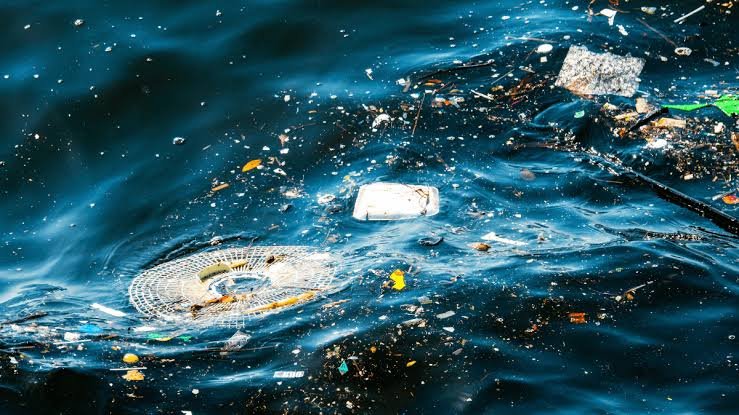
There are many ways unwanted substances can enter a water supply. Agricultural runoff, failing septic systems, industrial activity, flooding, damaged wells, and aging plumbing are just a few possibilities.
Some materials occur naturally rather than being introduced by human activity. Arsenic, iron, manganese, and other minerals can be present in groundwater because of the surrounding geology.
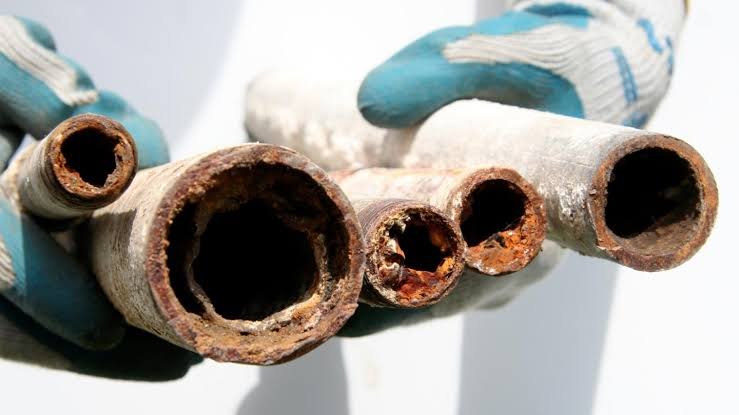
Certain substances can also enter water through household plumbing. Older pipes and fixtures, for example, may affect water chemistry under particular conditions.
The word contaminates is sometimes used broadly, but not every substance found in water represents the same level of concern. Concentration, exposure, and the specific substance all matter.
That’s why testing is more useful than guessing.
Why Clear Water Isn’t Necessarily Clean Water
We naturally trust our senses. If water looks clear and doesn’t smell strange, it seems fine.
Unfortunately, some water-quality concerns are invisible.
Dissolved minerals, certain metals, nitrates, and microorganisms may not change the color, smell, or taste of water. A crystal-clear glass doesn’t tell you everything that’s dissolved inside it.
This is one reason laboratory water testing is so valuable. It can identify characteristics that your eyes and taste buds simply can’t detect.
For private well owners, periodic testing can also establish a baseline. If results change later, you’ll have previous results for comparison.
That can be particularly useful after flooding, major well repairs, or significant changes in the surrounding property.
Common Signs That Your Water Needs Attention
Sometimes your home gives you clues before a test does.
White crust around faucets often points toward hard water. Orange or reddish stains can be associated with iron. Dark staining may be related to manganese. Cloudy water can indicate sediment or other suspended particles.
Taste and odor can also change.
A chlorine smell may be noticeable in some treated municipal supplies. A sulfur-like odor may suggest hydrogen sulfide, although proper testing is needed to determine the actual cause.
None of these signs should automatically send you into panic mode. Some are primarily aesthetic or plumbing-related.
Still, sudden changes are worth investigating. Your water doesn’t have to look dramatically different to justify asking questions.
Water Quality Is Part of a Healthy Home
A healthy home isn’t only about clean floors, good ventilation, and working appliances. Water deserves a place in that conversation.
The water used for drinking and cooking receives the most attention, understandably. But household water also affects bathing, laundry, appliances, plumbing fixtures, and cleaning.
Hard water can contribute to mineral scale. Iron can stain clothes and sinks. Sediment may clog faucet aerators or filters. Certain water-quality issues can also affect the performance and lifespan of appliances.
The goal isn’t necessarily to remove every mineral from your water. In many cases, that’s neither necessary nor practical.
Instead, homeowners should focus on understanding the characteristics that actually affect their household.
Testing Before Buying Treatment Equipment
One of the easiest mistakes to make is purchasing a filtration system before knowing what needs to be filtered.
It sounds reasonable: there’s a water problem, so buy a filter. But different treatment technologies are designed for different jobs.
A sediment filter can capture suspended particles. Activated carbon may improve taste and reduce certain compounds. Water softeners are designed mainly to manage hardness. Reverse osmosis can reduce many dissolved substances, while ultraviolet systems can help control microorganisms when properly installed.
If you don’t know what’s in the water, choosing among these technologies becomes guesswork.
A basic water test may provide useful information, while a more comprehensive laboratory analysis can be appropriate when specific contaminants or health-related concerns need to be investigated.
When Professional Help Makes Sense
Water treatment can become technical fairly quickly. Terms like pH, turbidity, hardness, total dissolved solids, oxidation, and ion exchange aren’t exactly everyday vocabulary.
That’s where experienced water-treatment professionals can help.
A qualified technician should be able to review test results, explain what they mean, and recommend equipment based on the actual water conditions. Be cautious of anyone who immediately recommends expensive equipment without first asking about your water source and testing history.
A good recommendation should have a reason behind it.
The right system isn’t necessarily the one with the most filters or the highest price tag. It’s the one that addresses the problems you actually have.
Don’t Forget About Maintenance
Installing water-treatment equipment isn’t the finish line.
Filters need replacement. Softener systems require servicing. Reverse osmosis membranes eventually wear out. UV systems need appropriate maintenance. Even storage tanks and plumbing components may need periodic inspection.
A neglected system can lose effectiveness over time.
Keeping a simple maintenance record can make things much easier. Write down when filters were changed, when equipment was serviced, and when water was tested.
It takes only a few minutes, but you’ll have a useful history if something changes later.
Better Water Starts With Understanding
Water quality doesn’t need to be mysterious, and it certainly doesn’t need to become a source of constant worry.
Start with the basics. Know where your water comes from. Pay attention to unusual changes. Test when appropriate, especially if you use a private well or experience a significant change in water quality.
Then choose treatment based on evidence rather than advertising.
A good water-treatment decision isn’t about buying the biggest system or trying to eliminate every naturally occurring mineral. It’s about finding the right balance between water quality, household needs, maintenance, and cost.
After all, water is part of almost every ordinary moment at home. Taking a little time to understand it can make those everyday moments feel a whole lot easier—and that’s a worthwhile investment.