Water quality is one of those things most people notice only when something feels off. Maybe the tap water develops an unusual taste, the shower leaves mineral spots behind, or appliances start collecting buildup much sooner than expected. At that point, it’s natural to look for a quick fix.
But water problems aren’t always as simple as changing a faucet filter.
Different homes have different water sources, plumbing layouts, usage patterns, and water chemistry. A system that works beautifully for one household may be unnecessary—or simply ineffective—for another. That’s why choosing a filtration solution should begin with understanding the water itself and what you actually want to improve.
Why Treating Water at the Whole Building Level Makes Sense
A small filter under the kitchen sink can be useful, especially if your main concern is drinking water. But it only treats water at one point.
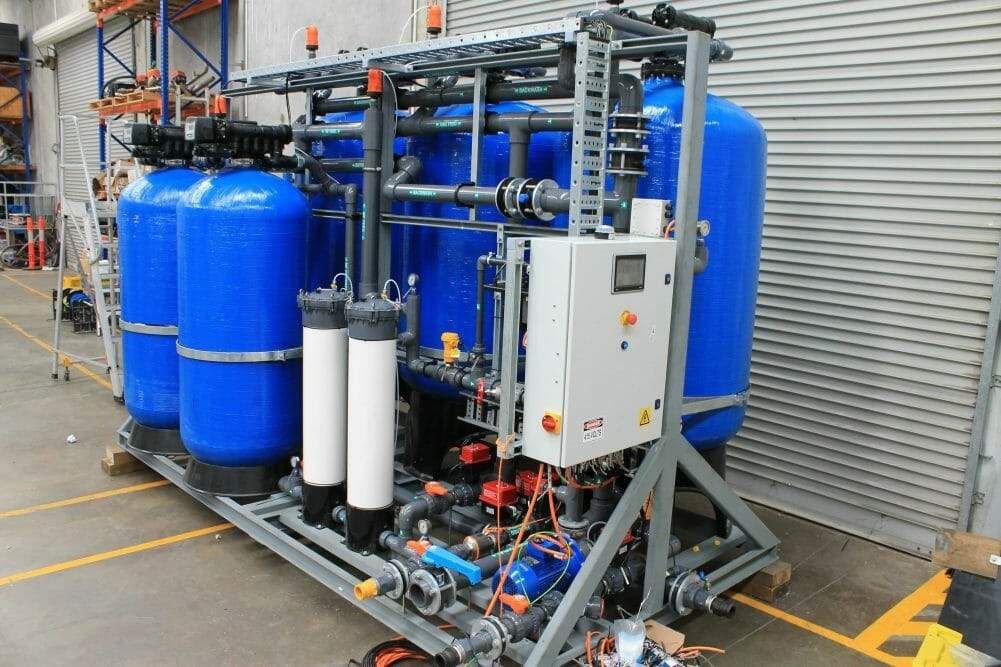
If you want to address water throughout the property, whole-building filtration takes a different approach. Instead of treating water only when it reaches one faucet, the system is installed at an appropriate point in the plumbing so treated water can be distributed throughout the building.
That can be helpful in homes where water quality affects multiple fixtures.
Showers, bathroom sinks, kitchen faucets, washing machines, and other water-using appliances can all benefit from treatment when the system is correctly selected.
Of course, whole-building filtration isn’t automatically the answer to every water issue. The type of treatment still depends on what is actually present in the water.
Start With a Water Test
Before buying filtration equipment, find out what you’re dealing with.
Water can contain hardness minerals, sediment, iron, chlorine, dissolved solids, and other substances that aren’t visible. A glass of clear water doesn’t necessarily tell you much about its chemistry.
Testing can identify characteristics that may be contributing to problems around the home. For example, white spots on fixtures may point toward hardness, while sediment could indicate a different issue.
This information makes the equipment-selection process much more sensible.
Instead of choosing a filter because it has an impressive-looking specification sheet, you can choose one because it addresses a real problem in your water.
Not Every Filter Does the Same Job
One of the biggest misconceptions about water filtration is that all filters essentially do the same thing.
They don’t.
Sediment filters are designed to capture suspended particles. Activated carbon filtration can help reduce certain chemicals and improve taste and odor. Water softeners primarily address hardness minerals. Reverse osmosis systems can provide more extensive treatment for many dissolved substances, particularly at the point of use.
There are also specialized media designed for particular water conditions.
Understanding these differences is important because using the wrong technology can leave the original problem untouched. A sediment filter, for example, isn’t a replacement for a water softener when hardness is the primary concern.
The Advantage of Multi-Stage Treatment
Sometimes one treatment method isn’t enough. Water may have several characteristics that need attention.
That’s where multi-stage filtration can be useful.
A system might begin with sediment filtration to remove larger particles, followed by another treatment stage aimed at improving taste, reducing specific substances, or addressing another water-quality concern.
The order and combination depend on the water analysis and the goals of the property.
There’s a temptation to think that more stages automatically mean better water. Not necessarily. Extra equipment adds cost, maintenance, and complexity. A well-designed system should include the stages that are genuinely useful—not simply as many as possible.
Consider Your Household’s Water Usage
A filtration system needs to keep up with the amount of water your household uses.
A two-person home has different requirements from a large family with several bathrooms, frequent laundry loads, and multiple appliances running throughout the day.
Peak demand matters, too. Imagine someone taking a shower while the washing machine is filling and another person is using the kitchen faucet. The system needs to handle that demand without creating unnecessary restrictions.
Flow rate, pressure, storage capacity, and filter size should all be considered during system selection.
This is one reason professional sizing can be worthwhile.
Why Custom Design Can Be Better
Homes aren’t built exactly alike, and their water problems aren’t identical either.
A property may have limited installation space, unusual plumbing, a private well, older pipes, or specific water-quality concerns. These details can influence which equipment makes sense.
For situations like these, custom-designed solutions can provide a more practical fit than an off-the-shelf setup.
Custom design doesn’t necessarily mean something complicated or expensive. It simply means the system is planned around the property’s actual requirements.
The result can be a system that’s easier to operate, appropriately sized, and better suited to the water conditions.
Don’t Forget About Installation
Even excellent equipment can perform poorly when installed incorrectly.
Filtration systems may require proper connections, drainage, pressure considerations, bypass arrangements, and adequate space for future maintenance. Some systems also need electrical connections or specific installation conditions.
A professional installer can assess the plumbing layout and make sure the equipment is positioned correctly.
This matters for another simple reason: maintenance. Filters and other components eventually need to be accessed, cleaned, replaced, or serviced. A system squeezed into an impossible corner may be difficult to maintain later.
Good installation considers the future, not just the day the equipment arrives.
Maintenance Keeps the System Working
Water filtration isn’t a set-it-and-forget-it purchase.
Filters eventually become loaded with particles. Carbon media can reach its useful capacity. Other treatment components may require cleaning, regeneration, or replacement.
Homeowners should know the maintenance requirements before purchasing a system.
Ask how often filters need changing, what replacement parts cost, and whether professional servicing is recommended. A cheaper system can become expensive if its consumables are unusually costly or difficult to find.
Keeping a basic maintenance record can also help. If water quality changes later, you’ll have a better idea of what was recently serviced.
Look Beyond the Initial Price
Price matters, but it shouldn’t be the only consideration.
Think about installation, replacement filters, water consumption, electricity, maintenance, expected lifespan, and warranty coverage. A slightly more expensive system may offer better long-term value if it’s properly sized and easier to maintain.
At the same time, expensive doesn’t automatically mean better.
The right system is the one that solves the right problem at a reasonable overall cost.
Better Filtration Starts With Better Decisions
Choosing a building-wide water filtration system doesn’t need to be overwhelming. The process becomes much clearer when you take it one step at a time.
Start by testing the water. Identify the problems that actually need attention. Consider household usage and plumbing requirements. Then select technology that matches those needs.
Whether you need simple filtration or a more advanced treatment arrangement, thoughtful planning usually beats guesswork.
Good water treatment isn’t about installing the biggest system or filling the basement with equipment. It’s about making sure the water moving through your home is appropriate for the way you use it.
And when the right system is properly designed, installed, and maintained, water treatment becomes what it should be: a quiet improvement you can rely on every day.