A water treatment system is easy to forget about when it is working properly. The tap water tastes clean, the shower feels better, the dishwasher leaves fewer marks, and appliances quietly get on with their job. Nothing dramatic happens, and that is usually the point. Good water care should make life feel easier, not busier.
But behind that simple comfort, there is equipment doing real work every day. Filters catch unwanted particles. Softeners help reduce mineral buildup. Valves, tanks, pumps, membranes, and other parts all handle water that may contain hardness, sediment, chlorine, iron, or other elements depending on the source. Over time, even a well-installed system needs attention.
That is where regular service becomes important. Not because something has already gone badly wrong, but because small checks and smart updates can keep the whole system performing the way it should.
Water Systems Work Harder Than We Notice
Every glass of water, shower, laundry load, dishwasher cycle, and cleaning routine places demand on the system. In a home, that use may feel ordinary. In a business, the workload can be much heavier. Restaurants, offices, hotels, commercial kitchens, workshops, and facilities may rely on treated water all day long.
The problem is that water issues often build quietly. A filter may slowly clog. A softener may become less effective. A small leak may start near a fitting. Pressure may change. Water taste may shift slightly. These things do not always announce themselves loudly, but they can affect performance over time.
A system that once worked beautifully can gradually lose efficiency if nobody checks it.
Regular Checks Make a Real Difference
There is a lot to be said for simply looking things over before trouble starts. A trained technician can spot early warning signs that most property owners would miss. That might include worn parts, pressure changes, filter condition, salt levels, unusual sounds, slow flow, or signs of mineral buildup.
This is why routine inspections are such a practical part of water system care. They help confirm that everything is still working as expected and give owners a chance to solve minor concerns before they become larger problems.
The same logic applies to many parts of property maintenance. You would not wait for a car engine to fail before checking the oil. Water treatment equipment deserves the same kind of sensible attention.
Small Problems Should Not Be Left Too Long
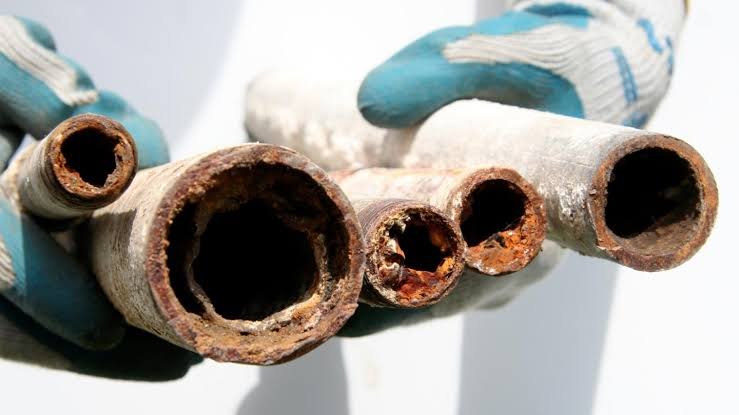
Even small water system issues can grow if they are ignored. A tiny leak can damage flooring or walls. A clogged filter can strain other components. A worn valve can affect water flow. A softener that is not working correctly can allow scale to return, which may then affect appliances and plumbing.
The frustrating part is that many of these problems are easier and cheaper to handle early. Waiting too long often turns a simple fix into a more expensive repair. It can also interrupt daily routines, especially if the property depends heavily on treated water.
Good service includes timely repairs that restore performance before the problem spreads. It is not about panic. It is about responding at the right moment.
Better Maintenance Protects More Than Equipment
People often think maintenance is only about keeping the system alive, but it does more than that. Proper care helps protect the quality of the water itself. It keeps filters doing their job, helps softeners work correctly, and supports steady performance across the property.
For homeowners, that can mean better-tasting water, fewer stains, less scale, softer laundry, and appliances that are not constantly fighting mineral buildup. For businesses, it can support smoother operations, better customer experience, and fewer unexpected disruptions.
A restaurant’s coffee machine, a hotel’s laundry equipment, or a commercial dishwasher can all suffer when water treatment is neglected. In that sense, regular care is not a minor detail. It protects the way the whole property functions.
Knowing When It Is Time to Upgrade
Sometimes maintenance is enough. Other times, an older system may need improvement. Water usage may have changed. A family may have grown. A business may be using more water than before. Local water conditions might shift. Or the equipment may simply be outdated compared with newer, more efficient options.
That does not always mean replacing everything. Sometimes a filter upgrade, added pre-filtration, improved controls, better valves, or a more efficient component can make the system perform much better.
Thoughtful preventative upgrades can help avoid future breakdowns, improve water quality, and make the system easier to manage over the long term.
A Service Plan Removes the Guesswork
One reason systems get neglected is simple: people are busy. Nobody wants to remember filter dates, service intervals, salt checks, and performance testing on top of everything else. A clear service plan makes this easier.
A good provider will explain what needs to be checked, how often maintenance should happen, and what signs to watch for between visits. The owner should not be left confused or buried in technical language.
The best service feels practical. It keeps the system on track without turning water care into a constant chore.
Better Care Means Better Confidence
There is something reassuring about knowing your water system is being looked after properly. You do not have to wonder whether the filter is overdue, whether the softener is still working, or whether a small issue is quietly becoming a bigger one.
That confidence matters. Water touches almost everything in a home or business. It affects drinking, cooking, bathing, cleaning, laundry, appliances, equipment, and comfort. When the system is maintained well, daily life feels more dependable.
In the end, good water treatment care is not glamorous. It is steady, sensible, and easy to underestimate. But it makes a real difference. With regular inspections, quick repairs, and smart upgrades when needed, a water system can keep doing what it was meant to do — quietly supporting better water, better performance, and fewer surprises.