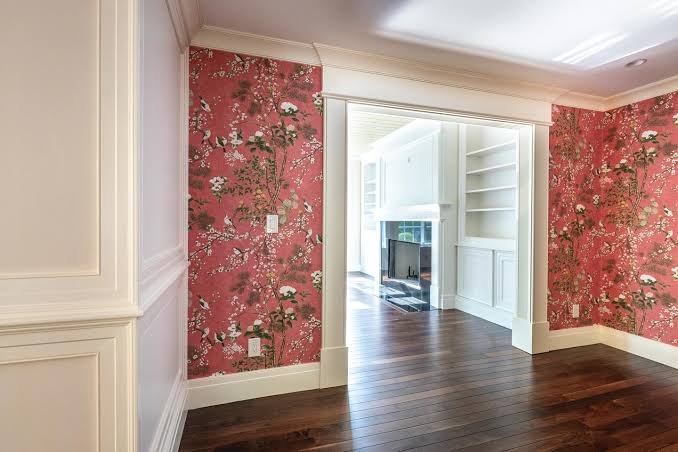
Sometimes, changing a single room isn’t quite enough. You update the living room, only to realize the adjoining dining area suddenly feels outdated. You renovate the kitchen, and those old hallway floors become much more noticeable. Before long, you’re imagining what the entire house could look like with a fresh approach.
Designing a home as a complete environment offers an exciting opportunity to create harmony between individual spaces while improving everyday functionality.
Of course, transforming an entire property takes considerable thought. It’s not simply about choosing a color palette and repeating it throughout the house. It’s about understanding how different rooms connect, how your family uses them, and what makes your surroundings feel genuinely personal.
Looking at Your Home as One Connected Space
When decorating rooms individually, it’s easy to overlook how they relate to one another. Each space might look appealing on its own, yet the house as a whole can feel somewhat disconnected.
Effective whole-home interior planning considers the relationship between architectural features, furniture arrangements, lighting, materials, and daily household routines.
Imagine walking through a home where the entryway feels warm and traditional, but the adjoining living room has an entirely different atmosphere. Neither design is necessarily unattractive, although the abrupt transition might feel uncomfortable.
Introducing subtle connections through complementary colors, consistent flooring, or related materials can create a more natural sense of movement.
That doesn’t mean every room should look identical. A bedroom can feel peaceful and understated, while a dining room might have richer tones and more expressive details.
The idea is to establish continuity without losing individuality.
Creating Interiors That Reflect Your Personal Story
One of the pleasures of designing a home from the ground up is having the freedom to move beyond conventional decorating choices.
Well-considered custom interior projects allow homeowners to explore personalized solutions that reflect their preferences, practical requirements, and the distinctive architectural features of their properties.
Perhaps you’ve always wanted a library with floor-to-ceiling shelves and a comfortable window seat. Or maybe your ideal kitchen includes a dedicated coffee station where quiet mornings become a little more enjoyable.
These details might seem small within the context of an entire house, but they can make an enormous difference to daily life.
Customized cabinetry, tailored furnishings, handcrafted finishes, and thoughtfully selected artwork can introduce character without making interiors feel unnecessarily elaborate.
There’s also something satisfying about incorporating objects you already love. An inherited dining table or a collection of ceramics gathered during travels can become the starting point for an entirely new design direction.
Rethinking Your Home Through Renovation
Older homes often have plenty of charm, but their layouts don’t always accommodate contemporary lifestyles. Narrow kitchens, insufficient storage, and poorly connected living spaces can make everyday activities unnecessarily complicated.
Thoughtfully planned whole-home renovations provide an opportunity to address these limitations while preserving the features that give a property its personality.
Consider a house with several small, disconnected rooms. Reworking non-load-bearing partitions, where appropriate, could improve natural light and create more comfortable gathering areas. Structural modifications should always be assessed by qualified professionals.
Renovation also provides an opportunity to review plumbing, electrical systems, ventilation, and other essential infrastructure.
These improvements aren’t particularly exciting compared with choosing furniture or decorative finishes, but they’re important to long-term comfort.
A successful transformation should improve both the appearance and performance of a home.
After all, beautiful surroundings are considerably more enjoyable when everything works properly.
Developing a Color Palette With Room for Personality
Selecting colors for an entire property can feel overwhelming. There are countless shades to consider, and natural light can make the same color appear different from one room to another.
Starting with a few foundational tones can make the process easier.
Warm neutrals, muted greens, earthy shades, and natural wood finishes can provide a flexible foundation. Individual rooms can then incorporate accent colors that reflect their particular purpose.
A living room might feature soft beige walls and warm wooden furniture, while a bedroom introduces deeper greens or gentle blue tones.
Test samples under different lighting conditions before making final decisions.
And remember, visual harmony doesn’t require perfect coordination. A little contrast can make a home feel more expressive and interesting.
Making Everyday Movement More Comfortable
Good interior design quietly improves the way people move through their surroundings.
Pay attention to frequently used pathways, furniture placement, and how different areas support daily activities.
For example, having convenient storage near the entrance can prevent shoes, bags, and coats from accumulating throughout the house. Connecting dining and cooking areas efficiently can make family meals and entertaining considerably easier.
Even small adjustments can improve functionality.
A thoughtfully positioned reading chair, additional lighting along a hallway, or better-organized laundry storage might solve problems you’ve gradually learned to tolerate.
These practical improvements rarely receive much attention in decorating photographs, yet they’re often the features homeowners appreciate most.
Managing the Details Without Losing Sight of the Bigger Picture
A large interior design project involves countless decisions. Flooring, cabinetry, lighting, furniture, fabrics, and decorative hardware all need coordination.
Establishing a realistic budget and clear priorities helps prevent smaller choices from distracting attention from essential improvements.
It’s also sensible to reserve part of the budget for unexpected expenses, particularly when renovating older properties.
Good communication between designers, contractors, and homeowners can reduce misunderstandings and keep the project moving in a consistent direction.
Patience matters, too. Creating a thoughtfully designed home isn’t something that benefits from rushed decisions.
Building a Home That Continues to Feel Right
The most rewarding aspect of transforming an entire home is experiencing the difference once the work is finished. Mornings feel less hurried, rooms become more comfortable, and familiar surroundings take on renewed character.
Thoughtful planning, personalized design, and carefully coordinated renovations make those everyday improvements possible.
Ultimately, your home shouldn’t simply reflect what’s fashionable today. It should offer comfort, flexibility, and a sense of belonging throughout the changing seasons of your life.
That’s the lasting beauty of a home designed with genuine purpose and personality.